
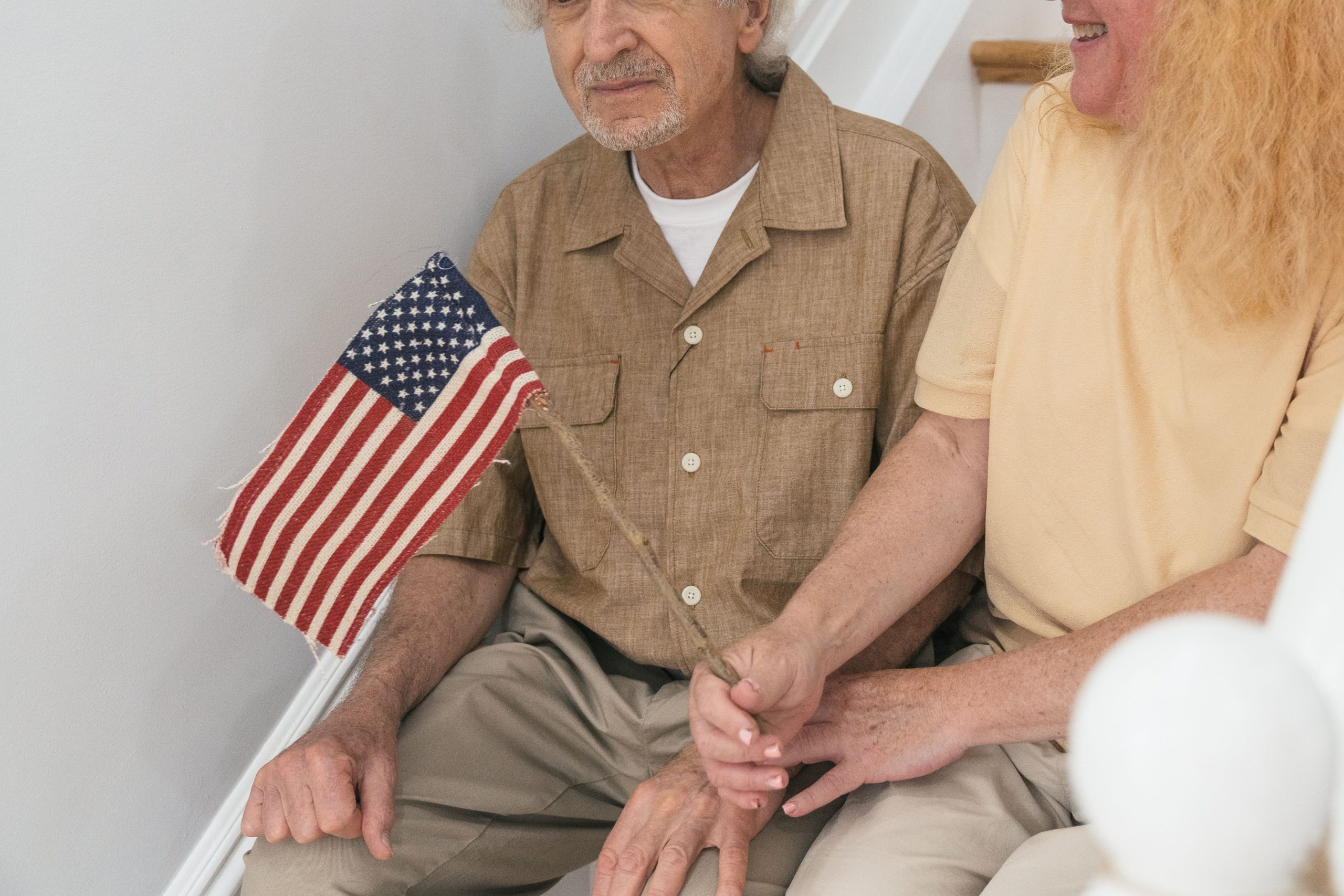
Anxiety is a common and often ongoing challenge for many veterans as they navigate life after service. Experiences during military duty can leave lasting impressions that affect mental and emotional well-being long after returning home. While each individual’s journey is different, structured daily living has proven to be a powerful tool in managing anxiety. Routine-based home care offers a steady, supportive environment that fosters stability, reduces uncertainty, and helps restore a sense of control.
For veterans, routines do more than organize the day. They provide a framework that can ease stress responses, promote healthier habits, and create predictable outcomes. With the right support at home, these routines can become a cornerstone of long-term mental wellness.
The Connection Between Routine and Emotional Stability
Routine plays an essential role in regulating emotional health, particularly for individuals managing anxiety. Veterans who have experienced high-stress environments may find that unpredictability in civilian life triggers discomfort or unease. Establishing a consistent daily schedule can counter these feelings by creating a sense of order and familiarity.
Simple activities such as waking up at the same time, planning meals, and maintaining a structured sleep schedule contribute to emotional balance. When these actions are repeated consistently, they can lower cortisol levels and reduce the intensity of anxious thoughts. Predictability also minimizes decision fatigue, allowing veterans to focus their energy on meaningful tasks rather than navigating constant uncertainty.
Routine-based care reinforces this stability by offering gentle guidance and accountability, ensuring that daily activities remain consistent even during difficult periods.
Creating a Supportive Home Environment
The home environment has a direct impact on mental health, and thoughtful adjustments can make a significant difference for veterans experiencing anxiety. A well-organized, calm, and predictable setting supports the development of healthy routines while reducing potential stressors.
Clutter-free spaces, designated areas for rest and activity, and a consistent layout all contribute to a sense of security. For veterans, knowing where things belong and what to expect within their environment can help ease tension. Lighting, noise levels, and overall atmosphere also play a role in maintaining emotional comfort.
Caregivers or support professionals can assist in shaping this environment by maintaining consistency and recognizing triggers that may disrupt a veteran’s sense of calm. Over time, this structured setting acts as a foundation for daily routines that support mental well-being.
The Role of Professional In-Home Support
Professional in-home care can strengthen the effectiveness of routine-based living by providing consistent, compassionate support. Trained caregivers understand the unique challenges veterans may face and can help tailor routines to meet individual needs.
With veterans home care, individuals benefit from structured assistance with daily tasks such as meal preparation, medication reminders, and personal care, all delivered within the comfort of their own homes. This continuity reduces the stress associated with managing responsibilities independently and offers reassurance through reliable support.
Care providers can also help reinforce positive habits by encouraging participation in activities that promote relaxation and engagement. Whether it involves light exercise, hobbies, or scheduled social interactions, these activities become part of a larger routine that supports overall mental health.
Building Confidence Through Consistency
Anxiety often diminishes confidence, making it difficult for individuals to take initiative or engage in daily activities. Routine-based care addresses this challenge by creating opportunities for gradual progress in a supportive environment.
When veterans follow a consistent schedule and achieve small daily goals, they begin to rebuild trust in their abilities. Completing tasks such as preparing a meal, maintaining personal hygiene, or engaging in a hobby reinforces a sense of accomplishment. Over time, these repeated successes help reduce feelings of helplessness and restore confidence.
Caregivers play an important role in this process by offering encouragement and recognizing achievements, no matter how small. This positive reinforcement strengthens motivation and helps veterans feel more capable of managing their anxiety.
Encouraging Healthy Coping Mechanisms
Routine-based home care also promotes the development of healthy coping strategies that can replace harmful or ineffective habits. Structured routines provide dedicated time for activities that support emotional regulation, such as mindfulness practices, physical movement, or creative expression.
Regular exercise, for example, has been shown to reduce anxiety symptoms and improve mood. Incorporating physical activity into a daily routine ensures that it becomes a consistent part of life rather than an occasional effort. Similarly, setting aside time for relaxation techniques such as deep breathing or meditation can help veterans manage stress more effectively.
Social interaction is another critical component. Scheduled visits with family members, friends, or support groups help combat isolation and provide emotional connection. When these interactions are built into a routine, they become reliable sources of support rather than uncertain experiences.
By reinforcing positive coping mechanisms, routine-based care empowers veterans to take an active role in managing their anxiety while maintaining a balanced lifestyle.
Conclusion
Routine-based home care offers a practical and compassionate approach to managing anxiety among veterans. Through consistent daily structure, a supportive home environment, and professional assistance, veterans can regain a sense of stability and control in their lives. These routines not only reduce stress but also build confidence, encourage healthy habits, and create opportunities for meaningful engagement.
Over time, the benefits of routine extend beyond managing anxiety, contributing to overall well-being and a more fulfilling daily life. With the right support system in place, veterans can navigate their challenges with greater resilience and clarity, finding renewed comfort in the consistency of their surroundings.


