Children are naturally drawn to excitement, challenge, and discovery. For some, this curiosity develops into a strong interest in high-adrenaline activities such as motorsports, rock climbing, or competitive sports. While these pursuits can build confidence and resilience, they also come with risks that require thoughtful management. Parents play a crucial role in guiding their children toward safe participation, helping them balance excitement with responsibility. By taking a proactive and informed approach, it is possible to support your child’s passion while prioritizing their well-being.
Understanding the Appeal of High-Adrenaline Activities
High-adrenaline hobbies offer more than just thrills. They provide opportunities for skill development, discipline, and personal growth. Many children are drawn to these activities because they challenge both their physical and mental abilities. Whether mastering a new technique or achieving a personal milestone, the sense of accomplishment can be deeply rewarding.
In addition, these hobbies often encourage focus and goal setting. Children must pay close attention to their surroundings, follow instructions, and make quick decisions. This level of engagement can improve concentration and build problem-solving skills. Rather than discouraging these interests outright, it is more beneficial to understand what motivates your child and guide them toward safe participation.
Emphasizing Proper Training and Skill Development
One of the most effective ways to reduce risk is to ensure that your child receives proper training from qualified instructors. Structured lessons provide a strong foundation, teaching children the correct techniques and safety practices from the start. This is especially important for activities that involve speed, height, or specialized equipment.
Parents should seek out reputable programs or organizations that prioritize safety and supervision. Trained professionals can identify common mistakes, correct unsafe habits, and gradually introduce more advanced skills as your child progresses. This structured approach allows children to build confidence without being exposed to unnecessary danger.
It is also important to reinforce the value of patience. Children may feel eager to advance quickly, but developing skills at a steady pace is essential for long-term safety. Encouraging them to respect the learning process helps prevent accidents and builds a stronger sense of responsibility.
Choosing Age-Appropriate Equipment and Protective Gear
Selecting the right equipment is a key factor in ensuring safety. Children should always use gear that is appropriate for their age, size, and skill level. Ill-fitting or overly advanced equipment can increase the likelihood of injury and make it more difficult for them to maintain control.
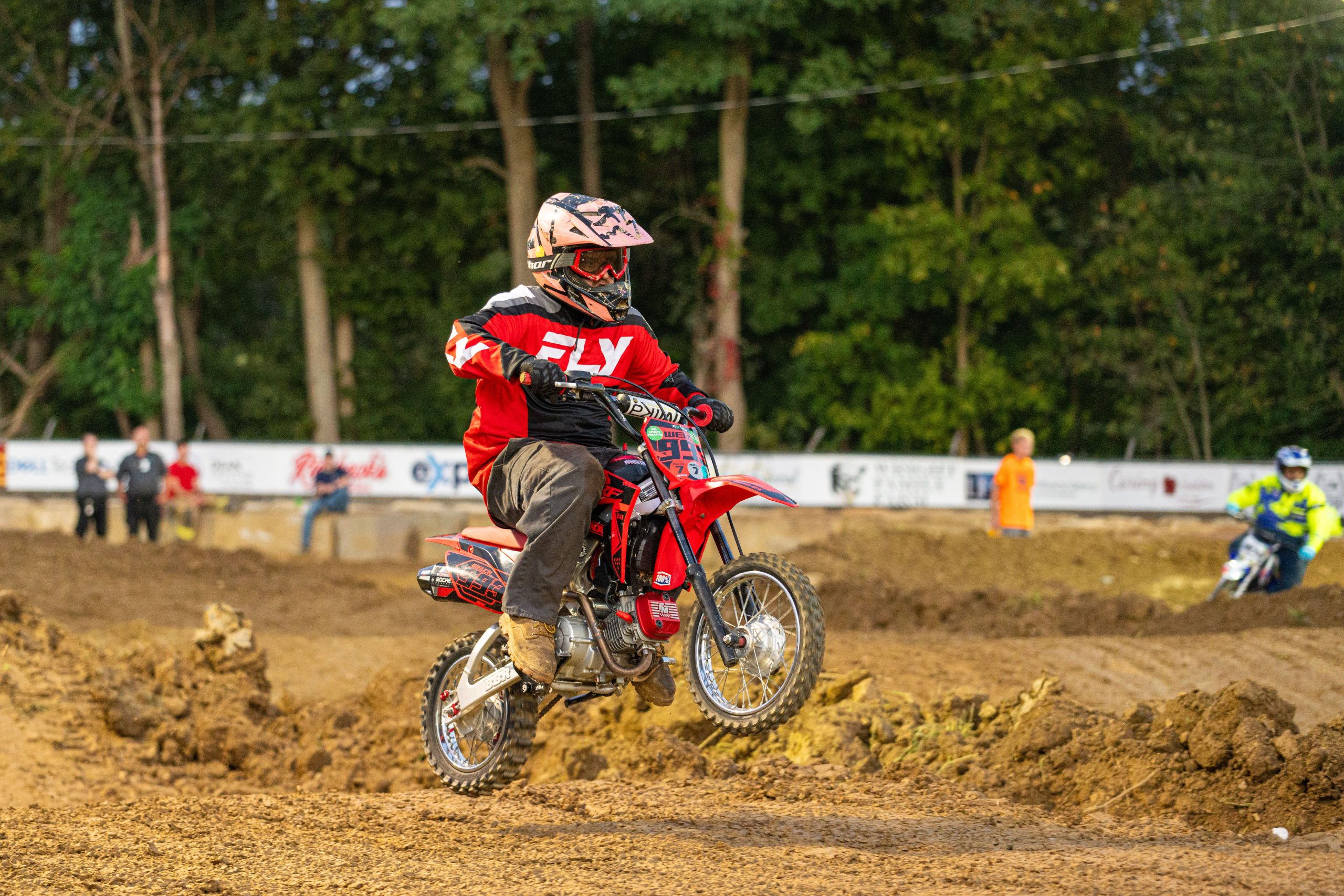
For example, parents exploring motorsports options may come across entry-level vehicles such as a 125cc ATV, which can be suitable for certain older children when used under proper supervision. In such cases, it is essential to follow manufacturer guidelines, ensure that the vehicle is well-maintained, and provide appropriate safety instruction before use. Helmets, gloves, and other protective gear should never be optional, regardless of the activity.
Regular equipment checks are equally important. Worn or damaged gear can compromise safety, even if it appears functional at first glance. Establishing a routine inspection process helps ensure that everything remains in proper working condition.
Creating a Culture of Safety and Open Communication
Safety should be an ongoing conversation rather than a one-time lesson. Children benefit from understanding not only what the rules are but also why those rules exist. Clear and consistent communication helps them internalize safe behaviors and make better decisions, even when direct supervision is not present.
Parents can set expectations by discussing potential risks and outlining specific safety guidelines. This includes establishing boundaries, such as where activities can take place and under what conditions. Encouraging children to ask questions and share their experiences also fosters a sense of trust and accountability.
It is equally important to model responsible behavior. When children see adults prioritizing safety and following established guidelines, they are more likely to adopt those habits themselves. Positive reinforcement can further strengthen these behaviors, helping children associate safe practices with success.
Balancing Independence with Supervision
As children grow more skilled and confident, they may seek greater independence in their chosen activities. While this is a natural part of development, it must be balanced with appropriate supervision. Gradual increases in independence allow children to build confidence while still benefiting from parental guidance.
Parents should assess their child’s readiness based on their maturity, experience, and ability to follow safety rules. Even when children demonstrate competence, maintaining a level of oversight remains important. This does not mean constant intervention but rather being present and available when needed.
Establishing clear guidelines for independent participation can help maintain this balance. For example, setting time limits, defining safe locations, and requiring the use of protective gear at all times are effective ways to ensure continued safety. Regular check-ins also provide opportunities to address concerns and reinforce expectations.
Conclusion
Supporting a child’s interest in high-adrenaline hobbies requires a thoughtful combination of encouragement, education, and oversight. By understanding what draws your child to these activities, investing in proper training, selecting appropriate equipment, and maintaining open communication, you create an environment where they can thrive safely. With the right guidance, these pursuits can become valuable experiences that foster confidence, discipline, and a lasting appreciation for responsible risk-taking.