
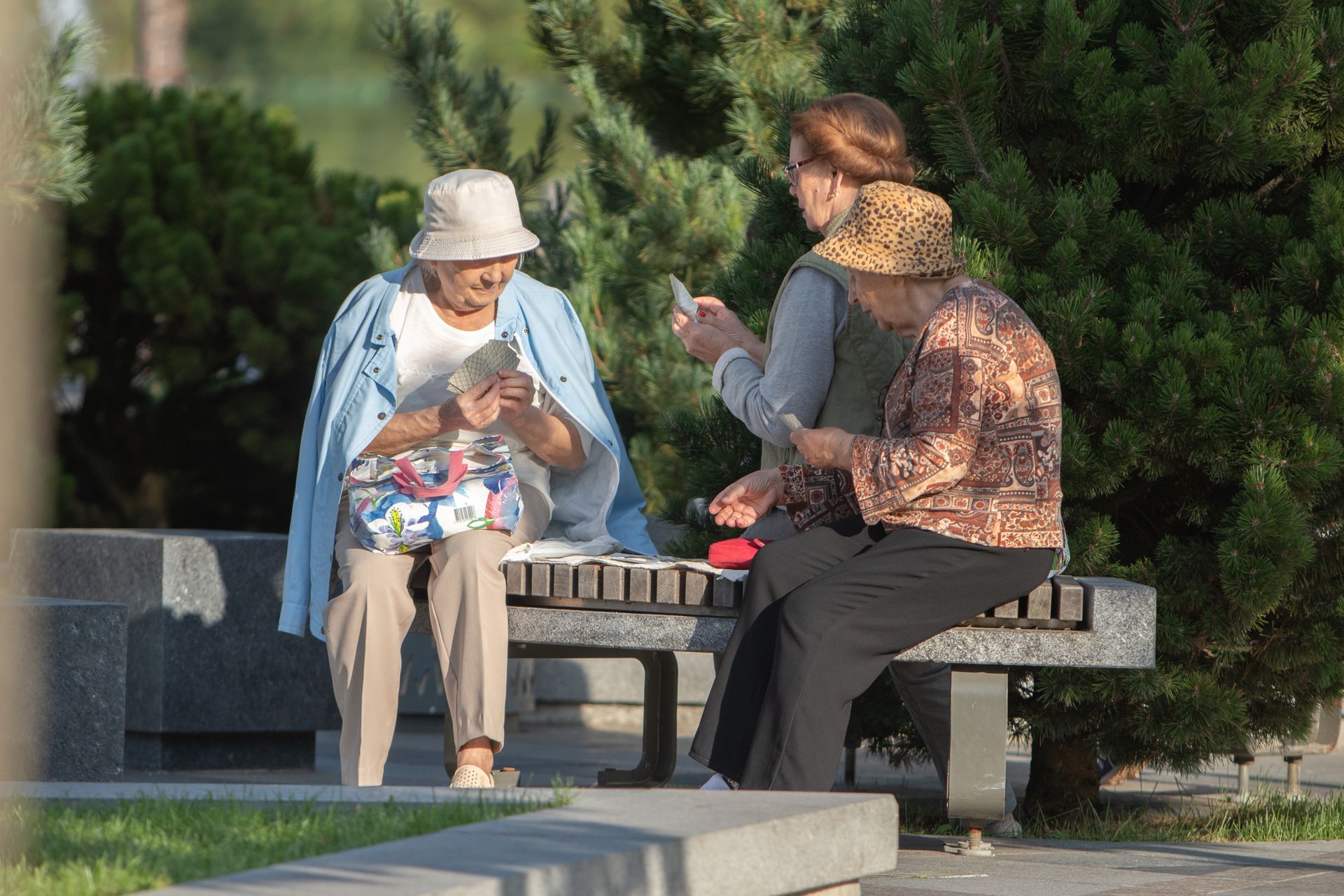
When a person reaches their later years, the quality of their relationships and social connections often becomes one of the strongest predictors of overall well-being. Research consistently shows that older adults who maintain active social lives tend to experience lower rates of depression, anxiety, and cognitive decline compared to their more isolated peers. Understanding the connection between social engagement and mental health in this population reveals why fostering community, friendship, and meaningful interaction matters so much during aging. The following sections explore how social engagement directly benefits mental health outcomes and what mechanisms drive these positive effects.
1. How Social Connection Reduces Isolation and Loneliness
Loneliness ranks among the most damaging threats to mental health in older adults, yet it remains a widespread and often overlooked problem. When older people lose spouses, close friends, or the daily structure of employment, their social circles naturally shrink. This isolation can trigger or worsen depression, increase anxiety, and even accelerate cognitive decline. Regular social engagement directly counteracts these effects by providing consistent human contact and a sense of belonging. For example, an older adult who participates in weekly book club meetings, senior center activities, or family gatherings experiences regular interaction that interrupts the pattern of isolation. These connections remind people that they are valued members of a community and that their presence matters to others.
2. Social Engagement Enhances Emotional Regulation and Resilience
Being part of a social network provides emotional support during difficult times and helps older adults cope with life’s stressors more effectively. When someone faces the death of a loved one, health challenges, or financial concerns, having friends and family to talk to can make a significant difference in processing grief and finding solutions. Social interaction teaches emotional resilience by allowing people to share their feelings in a safe environment and receive validation and perspective from others. For example, an older adult who joins a support group after experiencing a health crisis can connect with others facing similar challenges and learn practical coping strategies from their experiences. This shared understanding reduces the sense that one’s struggles are uniquely unbearable and creates opportunities for mutual encouragement and problem-solving.
3. Mental Stimulation Through Social Activities Maintains Cognitive Function
Engaging in conversation and social activities requires active mental participation that keeps the brain sharp and engaged. When older adults participate in discussions, games, storytelling, or group learning activities, they exercise their memory, language skills, and ability to process complex social information. Studies on cognitive aging demonstrate that mentally stimulating activities, particularly those involving social interaction, can slow cognitive decline and maintain mental acuity. For example, an older adult who plays bridge with friends weekly or participates in discussion groups must remember rules, follow complex strategies, and respond thoughtfully to what others are saying. This type of cognitive engagement differs from passive activities like watching television and may help preserve mental function over time.
4. Social Roles and Sense of Purpose Improve Mental Well-being
As people age, retirement and changes in family structure can leave older adults questioning their role and significance in society. Social engagement provides opportunities to occupy meaningful roles that give life structure and purpose. Volunteering, mentoring younger people, participating in faith communities, or taking leadership roles in social groups can restore a sense of value and contribution. For older adults seeking structured group activities and volunteer opportunities in their area, Spring Cypress offers community programming that helps seniors build purposeful social roles and meaningful daily engagement. An older adult who volunteers at a community center, teaches classes to fellow seniors, or helps care for grandchildren experiences a clear sense of purpose rooted in the ability to support others, and this purposefulness directly correlates with higher levels of life satisfaction, lower depression rates, and improved overall mental health outcomes.
5. Social Support Networks Provide Practical and Emotional Resources
Beyond the emotional benefits of connection, social networks provide practical support that directly impacts mental health. Friends and family can help with transportation to medical appointments, assist with household tasks, or provide financial guidance during difficult times. This practical support reduces stress and anxiety by making daily life more manageable. Additionally, social networks often include people who understand an older adult’s history, values, and personality, which allows for deeper emotional connection and validation. For example, when an older adult faces a health diagnosis and feels frightened, reaching out to a close friend or family member provides both emotional comfort and practical information about next steps or similar experiences that person has navigated. This combination of emotional and practical support creates a buffer against the negative mental health effects of aging challenges.
Conclusion
Social engagement serves as a powerful tool for protecting and enhancing mental health in older adults across multiple dimensions. By reducing loneliness, supporting emotional resilience, stimulating cognitive function, providing meaningful roles, and offering practical resources, social connection addresses many of the mental health challenges that can accompany aging. The evidence consistently demonstrates that older adults who maintain active social lives experience better overall mental health outcomes than their more isolated counterparts. Communities, families, and older adults themselves can benefit from prioritizing social connection through regular interaction with friends, participation in group activities, and engagement in volunteer or community roles. As people age, fostering and maintaining these social connections becomes an essential component of mental health care that is just as important as physical health measures.


