
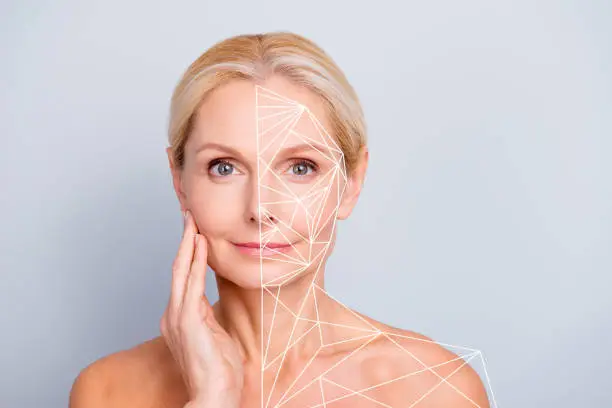
Ageing has been treated as a problem to be fixed, but recently, it has started to shift. Rather than fight time with drastic interventions, people are now seeking subtler, more preventative solutions that work with the body and not against it.
One of the signs of this change is the high demand for non-invasive skin tightening. Treatments like high-frequency ultrasound and radiofrequency microneedling are transforming not just what’s possible but how people feel about getting older. Clients are taking action earlier to stay ahead – choosing to maintain what they have rather than seek for what was lost.
This article will discuss how non-invasive skin tightening is quietly revolutionising aesthetic medicine. Not only as a type of treatments but as a shift in how we think about ageing, confidence, and long-term skin health.
Understanding Skin Ageing and Laxity
Skin ageing isn’t just about wrinkles — while fine lines are often the first visible sign, the deeper story lies in the gradual breakdown of collagen, elastin, and hyaluronic acid — they are responsible for firmness, elasticity, and hydration.
From our mid-twenties, our skin loses about 1% of collagen per year. Factors in lifestyle elements like sun exposure, stress, poor sleep, and even digital screen time (yes, really) can accelerate that process. Over time, this loss of structural proteins leads to laxity — the loosening or sagging of the skin most commonly seen around the jawline, neck, and under the eyes.
But laxity isn’t just a cosmetic issue. For many, it impacts how they feel in their skin. Clients often describe it not as a specific flaw but as a general sense that their reflection no longer matches how they feel inside — less defined, less vibrant, less “them”.
What’s changed is how people want to address it. Rather than choosing dramatic makeovers, more people are looking for treatments that work with the skin and enhance its natural function without longer downtime or major changes. Non-invasive skin tightening fits this choice, not only as a treatment option but as a long-term of managing ageing.
Rise of Non-Surgical Aesthetic Procedures
Ten years ago, reversing the signs of ageing always meant going into surgery like facelifts, neck lifts, or blepharoplasty. Those procedures still have their place but are no longer the first choice. The aesthetic landscape has undergone a quiet but powerful transformation: non-surgical treatments are now leading the charge.
According to data from the International Society of Aesthetic Plastic Surgery (ISAPS), non-surgical aesthetic procedures have grown by over 60% globally in the past five years, outpacing surgical treatments by a wide margin. In the UK alone, clinics report that non-invasive options account for over 70% of client bookings in facial rejuvenation. And this shift isn’t just about convenience — it’s about mindset.
Clients aren’t just looking for results; they’re looking for control, flexibility, and subtlety. Non-surgical options offer all three:
- Minimal downtime means treatments can be scheduled around life, not recovery.
- Cumulative results align with preventative mindsets — treating signs of ageing before they become deep-set.
- Natural-looking outcomes resonate with a growing rejection of the “overdone” aesthetic.
At the heart of this rise is technology. Advances in devices using radiofrequency, ultrasound and laser energy have created highly targeted solutions that stimulate collagen and tighten skin without cutting or injecting. This opens the door for practitioners to treat a wider demographic — including younger clients seeking prevention and older clients seeking refinement.
Non-surgical procedures are no longer the alternative — they’re becoming the preferred path for those who value subtle enhancement over transformation. And as trust in these technologies grows, so does their role in long-term ageing strategies.
Overview of Popular Technologies: Thermage, HIFU, and RF
The rise in non-invasive skin tightening is due to some standout technologies — each with its mechanism, strengths, and ideal use cases. Each of them has a similar goal (firmer, more youthful skin), but how each of the devices works and who they work best sets them apart from each other.
1. Thermage FLX (Monopolar Radiofrequency)
Thermage uses monopolar radiofrequency (RF) to deliver heat deep into the dermis, stimulating collagen remodelling with impressive precision. Thermage targets deeper skin layers, making it particularly effective for tightening around the eyes, jawline, and neck.
👉 Among these options, Thermage skin tightening uses monopolar radiofrequency to treat deep skin layers without downtime.
2. HIFU (High-Intensity Focused Ultrasound)
HIFU uses focused ultrasound energy to heat tissue at precise depths, including the SMAS layer. It is one of the few non-surgical treatments that can deliver meaningful lifting effects without a scalpel.
Results show gradually over 2–3 months, some clients experience a “tightening sensation” immediately post-treatment. It can cause mild discomfort during the session due to the intensity of the energy, which is normally discussed during consultation.
3. Multipolar and Bipolar RF Devices
There’s a wide family of RF-based devices using bipolar or multipolar technology. They are designed to treat more superficial layers and are excellent for improving skin texture, fine lines, and mild laxity.
They’re gentler, often combined with vacuum suction or LED therapy, and are popular for maintenance treatments or younger skin. While they may not penetrate as deeply as Thermage or HIFU, they’re highly customisable and suited for regular upkeep.
| Technology | Energy Type | Target Depth | Best For | Downtime |
| Thermage | Monopolar RF | Deep Dermis | Jawline, Eyes, Neck | None |
| HIFU | Ultrasound | SMAS Layer | Lifting, Sculpting | None–Mild |
| Bipolar RF | Surface RF | Epidermis/Dermis | Texture, Fine Lines | None |
Each of these technologies offers a unique value proposition — and in skilled hands, they can be combined strategically for layered, long-lasting results.
Considerations Before Choosing a Treatment
While non-invasive skin tightening offers exciting possibilities, not every treatment is right for everyone. Choosing the most effective approach depends on clinical factors, personal goals, and practitioner expertise — navigating that decision well makes all the difference in outcomes.
Here are the key considerations clients (and clinicians) should keep in mind:
1. Degree of Laxity
Mild to moderate skin laxity responds well to non-invasive modalities. However, in cases of advanced sagging, these treatments may only offer subtle improvement. A professional assessment is crucial — the best clinics are honest about what a treatment can and can’t do.
2. Skin Type and Sensitivity
Some devices are better suited for certain skin types. For instance, HIFU may not be ideal for very thin or sensitive skin, while RF-based devices are often more adaptable. Pigmentation risk is also a factor, particularly in clients with darker skin tones — making device selection and parameter settings especially important.
3. Pain Tolerance and Comfort
While most technologies are well-tolerated, experiences vary. Thermage delivers deep heat but is often described as a tolerable “zing,” whereas HIFU can feel more intense. Clinics may offer numbing creams or pain management options — but this is a conversation best had in advance.
4. Downtime and Lifestyle
Non-invasive doesn’t always mean zero downtime. Some clients may experience redness, mild swelling, or temporary tenderness. Understanding what to expect — and scheduling treatments with lifestyle in mind — ensures a smoother recovery.
5. Budget and Maintenance
These treatments are investments — both financially and in terms of long-term maintenance. Results build over time and are rarely permanent; annual or biannual sessions may be needed to sustain effects. Budgeting for a treatment plan, rather than a one-off session, leads to more realistic expectations and satisfaction.
6. Practitioner Expertise
Finally, and most critically, results hinge on the practitioner’s skill. The same device can produce vastly different outcomes depending on its use. Look for clinics combining technology with deep skin anatomy knowledge, treatment planning, and patient care.
Choosing a non-invasive skin tightening treatment isn’t just about what’s trending — it’s about aligning the right technology with the right patient at the right time. And when that alignment is achieved, the results go beyond skin deep — restoring not just firmness, but confidence.
A Closing Reflection: Redefining the Ageing Journey
The conversation around ageing is no longer about erasing the past — it’s about embracing the future with intention. Non-invasive skin tightening technologies are giving people more than visible results; they offer choice, agency, and a new kind of confidence.
What’s most exciting isn’t just the innovation itself but the mindset shift it represents. We’re moving away from reactive aesthetics — waiting until the mirror demands action — toward a proactive, preventive approach that prioritises long-term skin health and natural expression.
For practitioners, this shift calls for more than just technical skill. It demands a deeper understanding of patient psychology, lifestyle, and long-term planning. For clients, it’s a chance to redefine ageing on their own terms — not hiding it, but handling it with care, grace, and a bit of science on their side.
The real revolution lies in quiet, consistent care in a world full of filters and quick fixes. And that’s exactly where non-invasive skin tightening is making its mark.


