
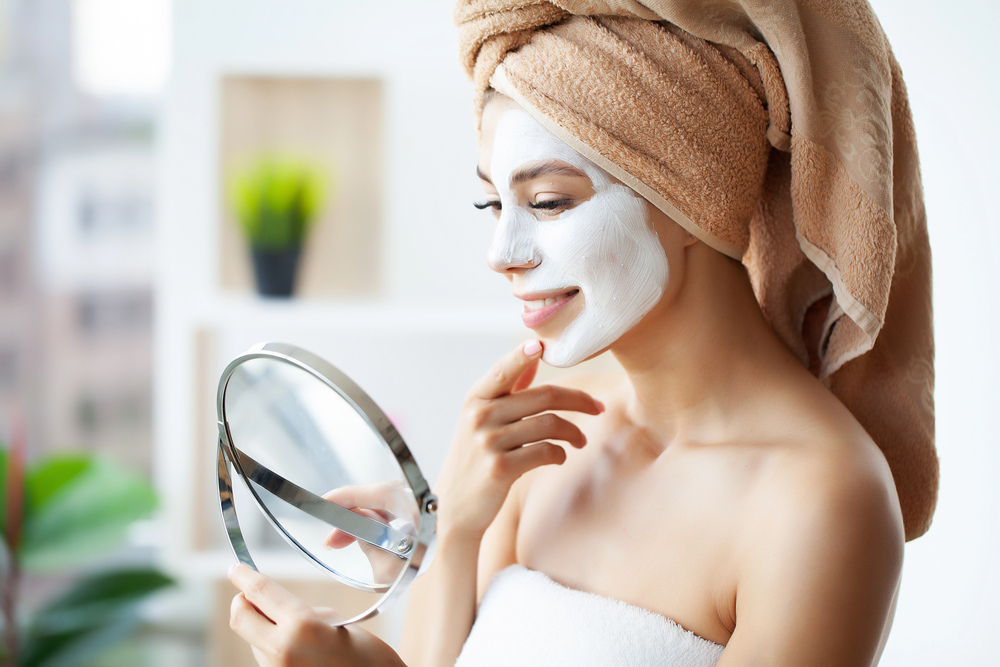
You don’t need a long, complicated skincare routine to achieve healthy, glowing skin. By focusing on a few effective steps, anyone can simplify their regimen without sacrificing results. The secret is identifying essential products that match their skin’s needs and staying consistent.
The skincare world often promotes using many products, but more isn’t always better for results. Simple, targeted routines can help save time, reduce costs, and avoid skin irritation that can result from product overload. This approach frees up time while still maintaining visible improvements.
Key Takeaways
- A minimalist routine can provide effective skincare results.
- Using essential products saves time and reduces irritation.
- Consistency is key to maintaining healthy skin.
How to Simplify Your Skincare Routine Without Losing Results
A simplified skincare routine can save time and money while still supporting healthy, resilient skin. Sticking to essential steps, selecting the right products, and addressing specific skin needs will help prevent breakouts, dryness, and other common concerns.
Choose Multi-Functional Skincare Products
Multi-functional products help condense a routine without skipping benefits. Moisturizers with SPF, serums that target both hydration and fine lines, and cleansers with soothing ingredients all save steps. This approach reduces the number of products used, minimizing risk of irritation.
Look for formulations that combine hydrators, antioxidants, and actives. A serum with niacinamide can address breakouts, redness, and support the skin barrier in one step. Elireskincare.com highlights product options that combine key actives, demonstrating that fewer, multi-tasking items are often enough to meet daily needs. Investing in such products means fewer items to buy, store, and remember, while maintaining an effective approach for both morning and evening routines.
Customize for Your Skin Type and Concerns
Each person’s skin type influences which products and active ingredients offer the best results. For oily or acne-prone skin, prioritize lightweight, non-comedogenic moisturizers and treatments like niacinamide or salicylic acid. Drier skin types should consider creams rich in hydrating agents like hyaluronic acid.
Individuals with sensitive skin benefit from fragrance-free, gentle formulas and should be cautious with strong actives. Adjust the intensity and frequency of treatments such as retinoids to avoid irritation or redness. Tailoring the basic steps and product selection for personal skin concerns supports clearer skin, smoother texture, and less risk of reactions—even when the overall routine is kept simple.
Maintaining Results and Adjusting Over Time
A simplified skincare routine needs regular monitoring to ensure continued results and minimal irritation. Adjusting the approach helps address changes in the skin, seasons, and personal needs.
Avoid Overcomplication and Product Overlap
Using too many skincare products or overlapping active ingredients can increase the risk of irritation, dryness, or breakouts. Overcomplication also makes it harder to identify which products are effective and which might be causing problems.
A straightforward routine typically includes a gentle cleanser, a moisturizer appropriate for the skin type, and a broad-spectrum sunscreen. When adding actives like retinoids, vitamin C, or exfoliating acids, it’s important to avoid similar functions across multiple products to protect the skin barrier. This minimizes the risk of unnecessary sensitivity and helps maintain hydration, reducing issues like flakiness or redness.
Introduce Actives and New Products Gradually
Adding new active ingredients, such as retinoids or highly concentrated serums, requires a gradual approach to prevent unwanted reactions. Introducing one new product at a time allows the skin to adapt and makes it easier to monitor responses like breakouts or dryness.
He or she should start by using actives only a few times per week, gradually increasing frequency as the skin builds tolerance. This method lowers the risk of damaging the skin barrier and helps maintain hydration. For people prone to sensitivity, patch-testing new ingredients can provide additional safety. Tracking changes in skin appearance and feel helps identify when an adjustment is needed. If dryness, irritation, or breakouts occur, reducing usage or spacing out applications often resolves issues without sacrificing results.
Conclusion
A simpler skincare routine is both practical and effective. By focusing on essential steps like cleansing, moisturizing, and sun protection, individuals can maintain healthy, resilient skin. Multi-functional products reduce the need for several steps while addressing common skin concerns. Prioritizing consistency and quality over quantity helps minimize irritation and time spent. Anyone can adapt their regimen to be less complicated without losing valuable results. This approach is sustainable, efficient, and supported by both expert advice and scientific research.
