
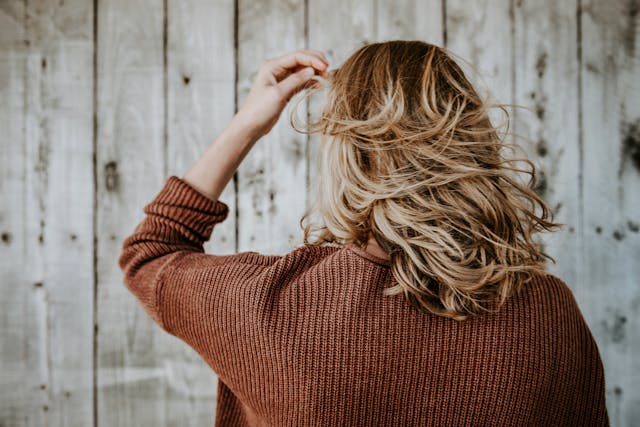
Regardless of age or gender, hair loss is a widespread problem affecting millions globally. Although it is frequently linked to aging, baldness, excessive shedding, and hair thinning are caused by a variety of other factors. Hair loss may be caused by stress, hormone imbalances, genetics, or underlying medical conditions. Fortunately, there are several prevention and treatment options available to help people control or even reverse hair loss thanks to medical advancements and natural remedies.
Reasons for Hair Loss
Genetics is one of the most prevalent causes of hair loss, though there are other causes as well. A genetic disorder called androgenetic alopecia, sometimes referred to as male or female pattern baldness, causes hairlines to gradually recede and hair to gradually thin. Hormonal changes, particularly in women during pregnancy, menopause, or thyroid disorders, can cause hair loss in addition to genetics. Stress is another important factor in hair loss because it can result in telogen effluvium, a condition in which a lot of hair enters the resting phase and sheds excessively. Furthermore, inadequate nutrition can weaken hair follicles and result in shedding, especially if there are deficiencies in iron, protein, and vital vitamins. Sudden hair loss can also result from autoimmune diseases like alopecia areata, in which the immune system unintentionally targets hair follicles.
Pharmaceutical and Medical Interventions
Depending on the cause and extent of hair loss, several medical treatments can help people fight it. Minoxidil, a topical treatment that promotes hair growth and slows down hair loss, is one of the most well-known drugs. It is frequently used to treat androgenetic alopecia and is available over the counter. Finasteride, an oral prescription drug that prevents the synthesis of DHT (dihydrotestosterone), a hormone associated with hair follicle shrinkage, is another well-liked choice. Platelet-rich plasma (PRP) therapy, which involves processing a patient’s blood to extract growth factors and injecting them into the scalp to promote hair regrowth, has become more and more popular among those looking for more sophisticated solutions.
When to Get Expert Assistance
A certain amount of hair loss is normal, but excessive or abrupt hair loss could be a sign of a more serious problem that needs to be treated by a professional. It is best to see a dermatologist if symptoms like itching, redness, or scalp pain are present along with hair loss. Deficits, hormonal imbalances, or illnesses causing hair loss can be identified with the use of blood tests. Whether it’s medication, lifestyle changes, or cutting-edge medical procedures, a professional evaluation with experts in hair transplant from Sydney, for instance, or renowned international centers like Asli Tarcan Clinic, Best Hair Transplant Clinic in Turkey, can also help people choose the best course of action. Long-term hair health improvement and the avoidance of irreversible damage depend on early intervention.
Homemade and Natural Treatments
Many natural remedies may help slow hair loss and encourage regrowth for those seeking alternative methods. It has been demonstrated that essential oils like castor oil, peppermint, and rosemary increase scalp circulation and stimulate hair follicles. Using these oils to massage the scalp regularly can promote hair growth. Hair health also depends on eating a balanced diet full of antioxidants, omega-3 fatty acids, and biotin. Herbal supplements like saw palmetto, which may help naturally block DHT production, have shown promise in some people’s lives. Furthermore, despite being unorthodox, onion juice has been shown to encourage hair regrowth because of its high sulfur content, which strengthens hair follicles and increases collagen production.
Lifestyle Modifications and Prevention Techniques
The risk of hair loss can be considerably decreased by incorporating healthy habits into daily life. Excessive shedding associated with emotional distress can be avoided by managing stress through relaxation techniques, meditation, and exercise. Hair damage can also be prevented by avoiding tight hairstyles, harsh chemical treatments, and excessive heat styling. Hair strength can be maintained by routinely washing the hair with mild, sulfate-free shampoos and using a conditioner to keep the strands hydrated. Staying hydrated and abstaining from smoking are also crucial because poor circulation and toxin accumulation can harm hair follicles.
Although experiencing hair loss can be upsetting, people can take charge of their hair health by being aware of its causes and the available treatments. The best course of action can be determined by consulting a professional if hair loss continues despite preventive measures. People can restore their confidence and maintain strong, healthy hair by being informed and taking proactive measures.


