
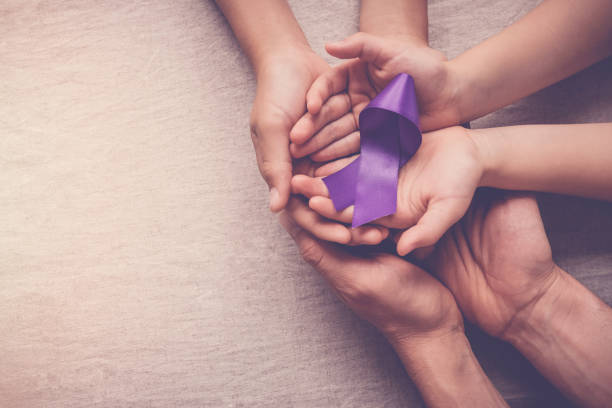
Introduction: A Silent Epidemic
Domestic abuse is a devastating issue that affects millions of people worldwide. It is not confined to any one demographic—it transcends age, gender, socioeconomic status, and cultural background. While society has made progress in raising awareness, the problem is not only persisting but growing. Domestic violence reports have increased in recent years, exacerbated by economic pressures, social isolation, and evolving digital abuse tactics. The statistics paint a grim picture, but behind each number is a real person suffering in silence.
This crisis cannot be ignored. It demands urgent attention, stronger protections, and a collective societal effort to create real change. Understanding why domestic abuse is on the rise is the first step toward addressing it effectively.
Why is Domestic Abuse Growing?
While domestic abuse has always existed, several key factors have contributed to its alarming increase in recent years. These factors include:
1. Economic Stress and Financial Dependence
Financial instability is a significant factor in domestic violence cases. When individuals face job losses, rising costs of living, and economic uncertainty, stress levels soar. Unfortunately, this often results in increased aggression, especially in households where power dynamics are already imbalanced. Economic dependence can also trap victims in abusive relationships, making it harder for them to leave. Without financial independence, many survivors fear homelessness, joblessness, or even losing custody of their children.
2. The Impact of the COVID-19 Pandemic
The COVID-19 pandemic created a perfect storm for domestic abuse to escalate. Lockdowns and restrictions forced many victims into isolation with their abusers, cutting them off from support systems such as friends, family, and crisis shelters. Reports of domestic violence surged during this period, with many crisis hotlines experiencing overwhelming call volumes. The pandemic exposed the dangerous reality that, for some, home is the most unsafe place to be.
3. Social Isolation and Lack of Support Networks
Abusers often thrive on isolating their victims from support networks. The rise of remote work and reduced social interactions have made it easier for them to control and manipulate their partners. Without access to friends, family, or coworkers who can recognize the warning signs and offer help, victims find themselves even more vulnerable.
4. The Role of Technology in Abuse
While technology has brought many benefits, it has also introduced new forms of abuse. Digital abuse, including cyberstalking, harassment, and surveillance, has become an increasing problem. Abusers use GPS tracking, spyware, and social media to monitor and control their victims. Revenge porn and online threats further complicate the ability of victims to seek help, as many fear public humiliation or professional repercussions.
5. Cultural and Societal Norms
In many cultures, deeply ingrained beliefs about gender roles contribute to domestic abuse. Societal norms that promote male dominance and female subservience can normalize abusive behaviors. Additionally, victim-blaming attitudes discourage survivors from coming forward, reinforcing the cycle of silence and suffering.
6. Weak Legal Protections and Law Enforcement Gaps
Despite legal advancements, many survivors struggle to find justice. Restraining orders are often violated, and law enforcement agencies sometimes fail to take reports seriously. In some cases, victims are even retraumatized by a legal system that does not prioritize their safety. This lack of accountability emboldens abusers, making it easier for them to continue their harmful behaviours.
The Consequences of Domestic Abuse
Domestic abuse does not only affect the immediate victim—it has far-reaching consequences that impact families, communities, and society as a whole. The effects include:
- Physical and Mental Health Issues: Victims of domestic abuse often suffer from physical injuries, chronic stress, depression, anxiety, and PTSD.
- Impact on Children: Children who grow up in abusive households are more likely to develop emotional trauma, struggle in school, and repeat the cycle of abuse in their own relationships.
- Economic Costs: Domestic violence leads to lost productivity, increased healthcare costs, and strains on social services.
- Generational Cycles of Abuse: Without intervention, abuse can be passed down through generations, perpetuating a culture of violence.
How Can We Stop the Rise of Domestic Abuse?
To combat the growing domestic abuse crisis, we must take a multi-faceted approach that involves education, legal reform, community support, and a shift in cultural attitudes.
1. Educating Society on Healthy Relationships
Prevention begins with education. Schools and communities must teach young people about healthy relationships, consent, and recognizing the early signs of abuse. When individuals understand their rights and what constitutes abusive behaviour, they are better equipped to protect themselves and others.
2. Strengthening Legal Protections and Law Enforcement
Stronger laws and stricter enforcement are essential to protecting victims. Governments must ensure that restraining orders are effectively enforced, that survivors receive immediate protection, and that abusers face real consequences for their actions. Specialized domestic violence units within law enforcement can help ensure cases are handled with the seriousness they deserve.
3. Increasing Access to Resources and Support Services
Many victims stay in abusive relationships because they feel they have nowhere to go. Expanding access to emergency shelters, financial assistance, mental health services, and legal aid can empower survivors to leave dangerous situations. Helplines and online support platforms must also be widely promoted so victims know where to seek help.
4. Encouraging Bystander Intervention
Silence allows abuse to thrive. Friends, family, and neighbours must be educated on how to safely intervene and support victims. Whether it’s offering a safe space, reporting suspicious behaviour, or simply listening without judgment, bystanders can play a critical role in breaking the cycle of abuse.
5. Addressing the Root Causes
Domestic abuse is often linked to deep-seated issues such as substance abuse, mental health disorders, and unresolved trauma. Providing resources for anger management, therapy, and addiction treatment can help prevent abusive behaviours from developing in the first place.
6. Changing Cultural Attitudes and Ending Victim-Blaming
Ending domestic abuse requires a cultural shift. We must challenge harmful gender norms, reject victim-blaming narratives, and foster a society where survivors feel safe to speak out. Media campaigns, community initiatives, and public figures can help raise awareness and change societal perceptions.
Final Thoughts: A Call to Action
Domestic abuse is not just a private issue—it is a societal problem that requires collective action. Its alarming rise is a wake-up call that we cannot afford to ignore. Whether through education, policy change, or direct intervention, every individual has a role to play in combating this crisis.
We must break the silence, support survivors, and hold abusers accountable. The more we speak out, the more we dismantle the power of abuse. Let’s build a future where love is not a weapon, homes are not battlegrounds, and no one has to suffer in silence.
If you or someone you know is experiencing domestic abuse, help is available. Reach out to local helplines, support groups, or crisis centres. You are not alone.


