
Nobody prepares you for the moment when roles reverse.
One day your mum is the one making sure you’ve eaten. Next, you’re worrying whether she remembered to take her medication. Or maybe it’s your brother who needs support navigating systems you’ve never heard of. Perhaps it’s your own health quietly slipping down the priority list while you focus on everyone else.
Caregiving sneaks up on most of us. And once you’re in it, you realize just how much you don’t know.
Nobody Has This Figured Out
I want to say that upfront. If you feel like you’re fumbling through decisions about your loved one’s care, you’re in good company. Most families are doing the same thing.
We Google late at night. We make calls during lunch breaks. We second guess ourselves constantly.
And that’s okay.
What helps is knowing that support exists. Not just emotional support from friends (though that matters too), but actual professional services designed for exactly these situations. People who do this work every day and can guide you through the maze.
Finding those people? That’s the tricky part.
When Someone You Love Has a Disability
Disability affects families in ways outsiders rarely see.
There’s the obvious stuff: appointments, therapies, equipment. But there’s also the invisible load. The mental energy of constantly planning ahead. The worry that sits in your chest. The fierce love that makes you want to fix everything, paired with the frustration of knowing you can’t.
What you can do is connect your loved one with the right professionals.
Occupational therapy has been a game changer for many families I’ve spoken with. Unlike therapies that target one specific thing, OTs look at the whole picture. How does this person move through their day? What’s getting in the way? What would make life feel more manageable?

Maybe it’s modifying a bathroom so someone can shower safely. Maybe it’s finding the right communication device. Maybe it’s teaching strategies for managing sensory overload at the grocery store.
Small changes add up to a different life.
For families navigating the NDIS, working with experienced ndis ot providers can save you months of confusion. They understand the funding categories, know what equipment is available, and can advocate effectively during planning meetings.
You don’t have to become an expert in disability services overnight. You just need to find experts you trust.
The relief families describe when the right support clicks into place is palpable. Suddenly there’s breathing room. Your loved one has more independence. You have more energy. The whole household feels lighter.
It doesn’t solve everything. But it changes everything.
The Aged Care Conversation Nobody Wants to Have
Can we talk about how hard this is?
Suggesting that a parent might need more support feels like betrayal. Even when you can see they’re struggling. Even when they’ve had falls or forgotten the stove was on.
Parents don’t want to burden their children. Children don’t want to take away their parents’ autonomy. Everyone’s tiptoeing around a conversation that desperately needs to happen.
My advice? Start earlier than you think you should.
Don’t wait for a crisis. Don’t wait until you’re making decisions in a hospital corridor. Have the conversation when it’s still hypothetical. Ask your parents what matters most to them. Where would they want to live if they couldn’t manage alone? What does quality of life mean to them?
These conversations are awkward. Have them anyway.
When the time comes to actually explore options, you’ll have a foundation to build on.

Many people assume residential care means giving up. It doesn’t.
Good facilities offer things families simply cannot provide. Round the clock nursing. Specialized equipment. A community of peers. Activities and engagement that combat the isolation many elderly people experience at home.
I’ve seen people thrive after moving into care. I really thrive. They make friends. They have structure. They stop worrying about maintaining a house that’s become overwhelming.
That said, not all facilities are equal. Researching options like residential aged care brisbane and similar services in your area takes time. Visit places in person. Go more than once. Talk to residents and their families.
Trust your gut. If somewhere feels cold or chaotic, keep looking.
The right place is out there. Finding it just takes patience and persistence.
You Can’t Care for Others If You’re Running on Empty
Here’s where I need to get direct with you.
When did you last eat a proper meal? How’s your sleep? When did you last do something purely for yourself?
If you have to think about those answers, we need to talk.
Caregivers are notorious for putting themselves last. It feels noble. It feels necessary. But it’s actually counterproductive.
Burnout isn’t dramatic. It creeps in slowly.
You stop calling friends. Small things irritate you. You’re tired but can’t sleep well. You catch every cold going around. You feel guilty for resenting the person you’re caring for, then feel guilty for feeling guilty.
Sound familiar?
Your body isn’t a machine. It needs fuel, rest, and maintenance. Ignore those needs long enough and something breaks.
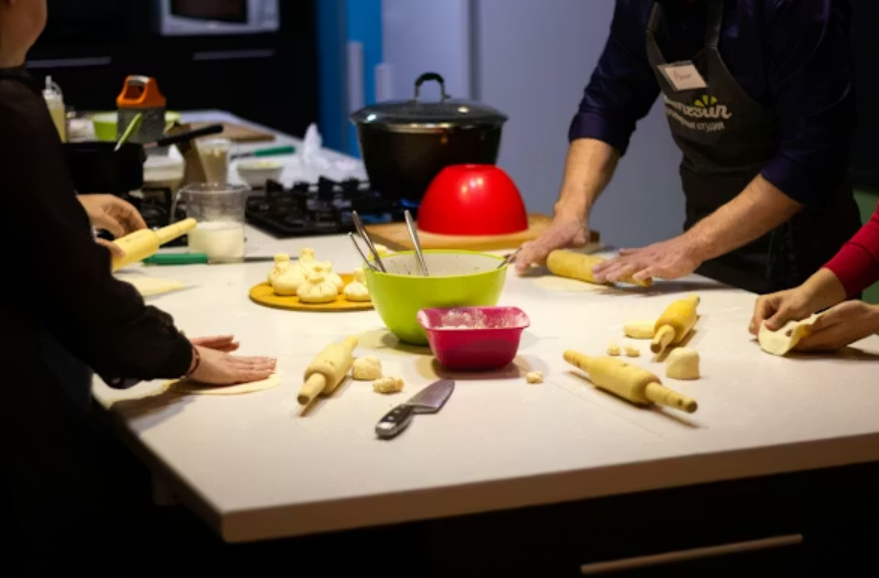
Nutrition often slides first. You’re grabbing whatever’s convenient between appointments. Skipping meals because you’re too busy or too tired.
But here’s what happens: your energy tanks. Your mood suffers. Your immune system weakens. You become less patient, less present, less effective as a caregiver.
Protein is particularly important and particularly neglected. It stabilizes energy levels and helps maintain muscle mass (which stress depletes). Many caregivers find adding a quality protein powder to their routine helps fill nutritional gaps on hectic days. A smoothie takes two minutes and can carry you through an afternoon that might otherwise involve vending machine snacks.
This isn’t about perfection. It’s about sustainability.
You’re in this for the long haul. Act like it.
Building a Team Around You
Martyrdom helps nobody.
You need support. Professional and personal. Both matter.
On the professional side, know what services exist and use them. Respite care gives you breaks. Care coordinators help navigate systems. Therapists (for you, not just your loved one) provide space to process what you’re experiencing.
On the personal side, let people in. When someone offers help, say yes. Better yet, ask specifically for what you need. “Could you sit with Dad on Tuesday so I can go to the dentist?” works better than waiting for someone to read your mind.
Other caregivers get it in ways that non caregivers don’t. Online communities, local support groups, even just one friend who’s been through something similar can make you feel less alone.
Isolation makes everything harder. Connection makes everything more bearable.
There’s Grace in This, Too
I don’t want to sugarcoat caregiving. Some days are brutal. You’ll feel resentful. You’ll feel exhausted. You’ll wonder how you got here and when it gets easier.
But alongside the hard parts, something else often emerges.
Relationships deepen. You discover reserves of strength you didn’t know you had. The trivial stuff that used to stress you out fades into insignificance. You become clearer about what actually matters.
Many caregivers describe this paradox: the hardest season of their lives was also, somehow, the most meaningful.
Not because suffering is good. But because showing up for people you love, day after day, even when it costs you, is one of the most profoundly human things you can do.

Moving Forward, One Day at a Time
You don’t need to have everything figured out today.
Find one good professional resource. Have one honest conversation. Do one thing for your own health. Start there.
The path forward reveals itself step by step. You make the best decisions you can with the information you have. Sometimes you’ll get it wrong. That’s part of it.
What matters is that you’re trying. That you care enough to read articles like this one. That you’re willing to learn and adapt and ask for help.
The people you love are lucky to have you in their corner. Don’t forget that. And don’t forget that you deserve someone in your corner too.
Be gentle with yourself. This is hard work, and you’re doing it with love.
That counts for everything.