
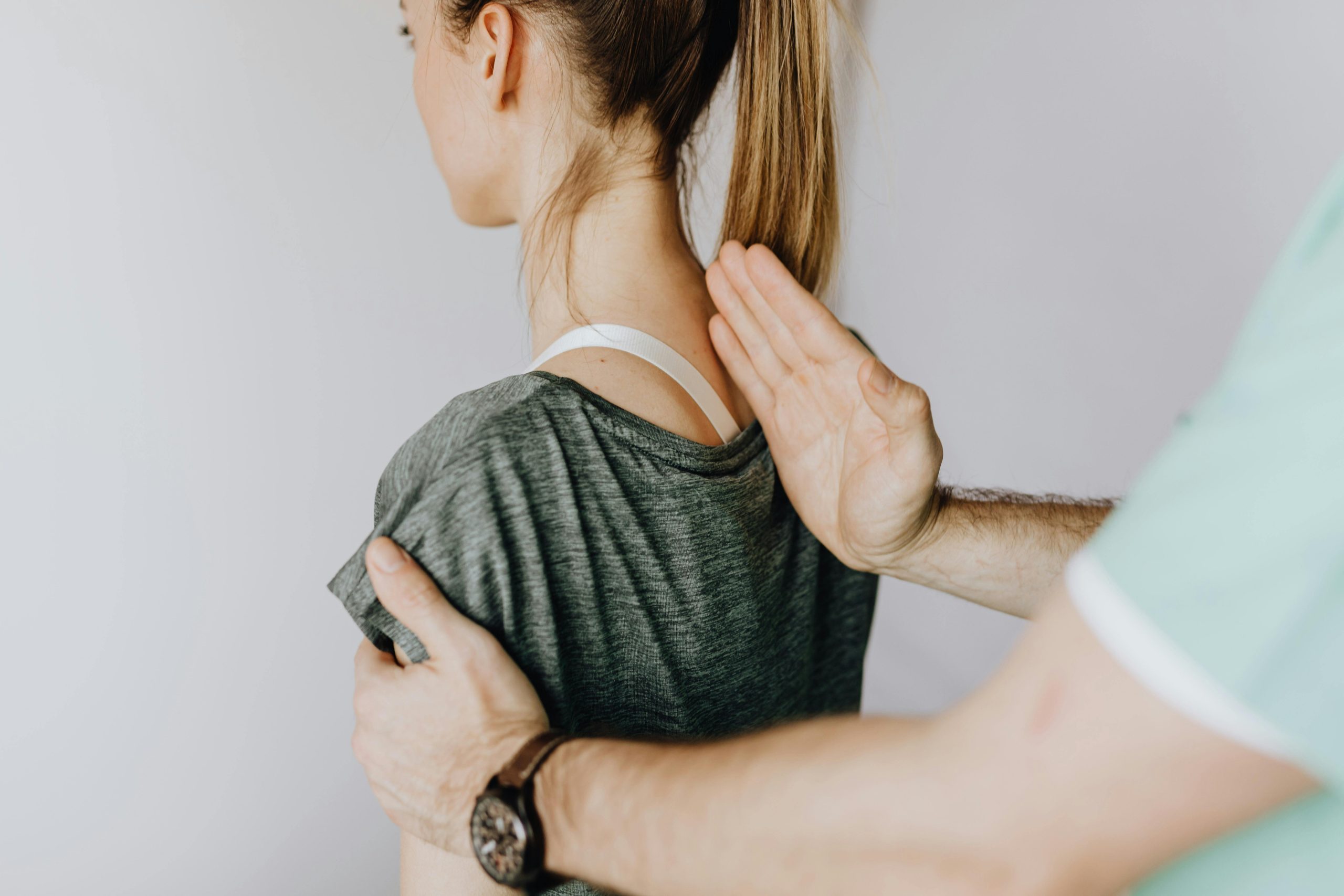
From an outsider’s point of view, scoliosis might seem like a condition only related to posture and spine health. You might see those who struggle with scoliosis stretch their back a little too often, or wince whenever they’re hit with some back pain.
However, beneath the surface, there’s so much more that people with scoliosis go through that others don’t see. That includes the emotional toll and many mental health challenges those living with scoliosis deal with daily.
If you’re affected by scoliosis, you know what we’re talking about. Whether you’re dealing with low self-esteem or anxiety about your treatments, it’s natural to have fear and psychological effects tied to your condition. However, that doesn’t mean you just have to live with it. There are many ways to build resilience and regain control of your life. If you’re not sure where to start, here are some mental health challenges you might be facing as someone with scoliosis, and how to power through them.
Negative Body Image and Low Self-Esteem
In severe cases of spinal curvature, the condition isn’t just painful; it can also be visible in your posture. People with scoliosis could feel embarrassed or self-conscious about how they look and what others think of them. As a result, they can develop a negative body image and lower self-confidence.
If you’re struggling with negative thoughts about your body, it’s best to talk to a therapist who can help you incorporate body positivity into your life, from teaching you daily affirmations about your appearance to discovering what can help boost your confidence. You can also do small things to make yourself feel more comfortable in your appearance, such as wearing posture-friendly braces you feel good in.
The Emotional Toll of Chronic Pain
Scoliosis often comes with bouts of chronic pain, whether it’s because of muscle strain, an uneven muscle distribution, or episodes of nerve compression in your spine. When you feel this pain often, it can be incredibly frustrating and lead to a psychological toll in the form of depression, irritability, and emotional fatigue.
Thankfully, there are many ways to cope with chronic pain and lift your spirits. Common treatments for this include pain management medications, stretching exercises, meditation techniques, and cognitive behavioral therapy, which helps people manage pain through stress management and by changing negative thought patterns. You can also experiment with CBD oil, which can help tremendously with pain. The goal is to find what works for you so that chronic pain associated with scoliosis doesn’t ruin your life.
Pre-Op Anxiety and Adjusting After Surgery
People with severe curvature might consider scoliosis surgery procedures to correct and straighten their spine, especially when their condition interferes with their day-to-day activities. And while these surgeries are effective, pre-operative anxiety and having to adjust to life after the surgery can take a toll on some patients.
Surgery is a major life disruption, which means you’ll need to take time off from school or work to get it done. There’s also fear of complications and the loss of mobility after the procedure, which can boost uncertainty even more.
If you’re opting for surgery to help improve your scoliosis, the most important thing to do is to surround yourself with a solid support system you can lean on. This can be your family, friends who understand what you’re going through, or groups and online communities of other people with scoliosis you can talk to about your fears.
If you’re anxious after your procedure, follow a rehabilitation plan to help speed up the healing process and restore your confidence in how you move. That way, you won’t feel so helpless and can instead feel empowered about your life post-op.
Endnote
While scoliosis is primarily a physical condition, it can come with a rollercoaster of emotions, too, which means mental health challenges at every turn. Whether you’re dealing with anxiety, depression, or a negative body image, know that there are ways to support yourself and find communities that can lift you up, too.
From clinical options like surgery to treatments like therapy and support groups, there are many ways to feel empowered and get through the hardest days. By surrounding yourself with the right people and understanding your treatment options, you won’t just heal physically, but mentally and emotionally as well.
Photo by Photo By: Kaboompics.com: https://www.pexels.com/photo/crop-anonymous-chiropractor-examining-spine-of-fit-lady-in-hospital-4506110/


