
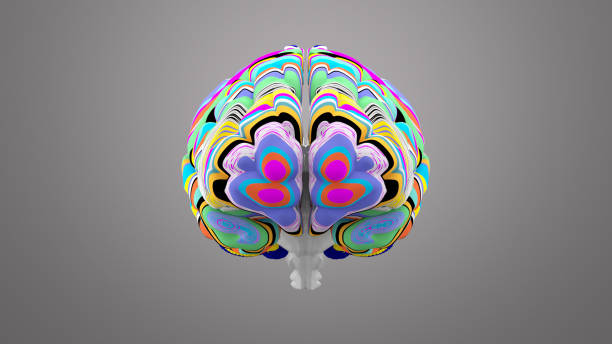
There’s something quietly radical about realizing your brain simply doesn’t work the same way as most people’s—and that this difference is not a mistake. You might be reading this because you discovered a diagnosis in adulthood, or because you’ve spent years hiding the parts of yourself that feel “too much” or “not enough.” Maybe you just know you’re neurodivergent—for example autistic, ADHD, neuroqueer, or somewhere on the spectrum of difference—but you haven’t yet found support that respects you.
Over 20% of workers may be neurodivergent—yet many of us navigate life without accommodations, or live in environments that quietly tell us we don’t belong. This post explores what neurodiversity actually means in mental health, relationships, therapy, and daily life. We’ll share tools from neurodiversity-affirming therapy, unpack identity frameworks like intersectional neuroqueer, and explore practical support—from body doubling and sensory routines to relationship love languages like infodumping and parallel play.
Whether you’re stepping away from shame, searching for self-compassion, or simply trying to understand what makes you you, this is for you.
What Is Neurodiversity?
Neurodiversity is the concept that neurological differences—like autism, ADHD, dyslexia, and others—are natural variations of the human brain. It does not view these traits as errors or disorders but as part of the broader spectrum of human diversity.
Coined in the 1990s by sociologist Judy Singer, neurodiversity challenges the medical model that seeks to “treat” or “cure” difference. Instead, it affirms identity, capability, and potential across neurotypes. Just as biodiversity strengthens ecosystems, neurodiversity enriches human communities.
But with mainstream acceptance has come a dilution of the term. Too often, neurodiversity is presented as quirky genius or tech creativity. What gets lost is the reality: many neurodivergent individuals face systemic exclusion, employment bias, sensory trauma, and long-term mental health struggles.
Neurodiversity-Affirming Therapy: A Shift in Mental Health
Neurodiversity-affirming therapy recognizes the client’s neurotype as valid. It does not attempt to normalize, fix, or eliminate behaviours that differ from neurotypical standards.
Instead, affirming therapy focuses on:
- Helping clients unmask safely and rebuild identity
- Addressing burnout and trauma from masking or misdiagnosis
- Supporting executive functioning and emotional regulation
- Co-creating strategies tailored to the client’s unique brain
Therapists trained in neurodiversity-affirming models avoid shame, focus on strength, and reframe neurodivergent traits as adaptive responses. This is especially vital for women and people of colour, who are often misdiagnosed or diagnosed late.
If you’ve ever felt like therapy didn’t “get” you, this might be why.
Intersectional Neurodivergence: Beyond One-Label Living
The experiences of neurodivergent people are shaped by race, gender, class, and sexuality. A white male presenting as autistic may be read very differently from a Black woman with ADHD or a nonbinary person who stims openly.
Neuroqueer theory explores the overlaps between queer identities and neurodivergence. It resists social norms around communication, productivity, relationships, and gender presentation.
Intersectional neurodivergence acknowledges that the more marginalized identities a person holds, the more likely they are to experience diagnostic bias, lack of support, and daily invalidation. Honouring these layers builds true inclusion.
The Double Empathy Theory: It’s Not Just You
For decades, autistic people were seen as socially impaired or lacking empathy. But double empathy theory tells a different story: social disconnect arises not from a deficit within one party, but from a mismatch between neurotypes.
Autistic and neurotypical people may both struggle to understand each other’s communication styles, needs, and emotional cues. This shifts the lens from pathology to mutual misunderstanding.
This theory can transform relationships, helping people stop blaming themselves and start building bridges.
Love Languages of Neurodivergent Relationships
Neurodivergent relationships may look, sound, and feel different—and that’s not only okay, it’s beautiful.
Some common love languages in these partnerships include:
- Infodumping: Sharing deep, passionate interests as a form of connection
- Parallel Play: Spending time together in the same space while doing different things
- Support Swapping: Taking turns being the regulated one in moments of distress
- Body Doubling: Working alongside someone to focus better
- Penguin Pebbles: Offering special objects, memes, or info as affection
Neurodivergent love is not a lesser form. It is often rooted in depth, loyalty, and authenticity.
Late Diagnosis and the Grief That Comes With It
More people than ever are receiving diagnoses of autism or ADHD in adulthood. For some, this brings clarity. For others, grief.
You may mourn the years you spent feeling broken. The relationships where your needs weren’t understood. The jobs that punished your executive function struggles. The coping mechanisms you thought were personality flaws.
This stage of the neurodivergent journey deserves as much attention as acceptance. There is healing in naming the pain—and rewriting your story.
Creating Neuroinclusive Environments: Home, Work, and School
Inclusion isn’t just about awareness. It’s about design. Neuroinclusive spaces proactively meet a range of cognitive and sensory needs.
At home:
- Use soft lighting or natural light
- Create quiet corners and sensory retreat zones
- Allow flexibility in routines and schedules
At work:
- Offer noise-cancelling headphones, written instructions, and predictable meeting formats
- Give time for transitions and breaks
- Respect different styles of communication (e.g., written over verbal)
In school:
- Replace punitive behaviour systems with regulation tools
- Celebrate diverse learning styles
- Allow movement, fidgeting, or stimming as self-regulation
Neurodivergent people don’t need to be fixed. Systems need to adapt.
Workplace Rights and the Fight for Inclusion
Neurodivergent adults face disproportionate barriers in employment. Some hide their traits to keep jobs. Others face discrimination in hiring or advancement.
Workplace inclusion means more than an occasional training. It requires structural changes:
- Bias-free recruitment
- Flexible job expectations
- Sensory-aware office design
- Clear communication protocols
Accommodations are not privileges. They are legal rights in many regions—and key to unlocking neurodivergent brilliance.
Practical Self-Care for Neurodivergent Minds
Self-care for neurodivergent people isn’t always yoga or journaling. It can look like:
- Creating visual checklists for daily routines
- Using body doubling to tackle tasks
- Wearing ear defenders to reduce overload
- Scheduling decompression time after social events
- Letting go of neurotypical productivity standards
Your needs are not too much. They are just different. Self-care begins with self-trust.
Closing Thoughts: Belonging Without Changing Who You Are
Neurodiversity is not a trend. It is a call to reimagine humanity beyond conformity. To honour brains that move through the world differently—not with pity or curiosity, but with respect and joy.
Whether you’re just beginning to explore your identity, or you’ve been advocating for years, remember: you are not alone. Your experiences matter. Your pain is valid. And your way of being in the world is not broken—it is beautifully divergent.
If you’re seeking support, consider a neurodiversity-affirming therapist or coach. Find spaces that welcome your full self. Advocate when you can. Rest when you must. And above all, keep showing up as you.
Because the world needs your difference.
Want more? Subscribe to our blog, follow us on Instagram, or book a session with one of our neurodiversity-informed coaches. Let’s keep building a world where every brain belongs.


