Photo source: Pexels
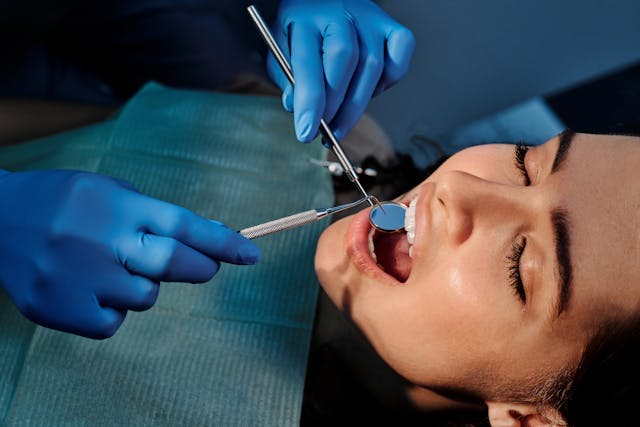
Many people find it stressful to go to the dentist. The idea of dental instruments, strange noises, and even agony can cause terrible fear. One prevalent problem that keeps people from getting required treatments is dental phobia, which aggravates their oral health problems. Knowing the value of dental treatment and realizing strategies to control anxiety will help dental appointments turn from unpleasant events into doable routines.
Understanding the Root of Dental Anxiety
Dental anxiety can start from several sources. Hence, everyone’s experience is different. A terrible prior experience is one of the most common reasons; it affects the next dental visits for a lifetime. If a past operation was unpleasant or uncomfortable, it can cause anxiety related to all dental work. Another element is pain-related anxiety, which is mostly shaped by misunderstandings about contemporary dentistry or the personal experiences of others. Lack of control during operations causes many patients to suffer from anxiety. Some people can feel exposed lying back in a chair with limited communication ability. Stress can also be brought on by the sound of dental tools, needle sight, or even the clinical scent of a dental practice. The first step in properly resolving dental anxiety is knowing its underlying causes.
Choosing the Right Dentist for a Stress-Free Experience
Choosing a dentist who knows and can handle nervous people will help to greatly lower stress levels. A friendly and peaceful environment created by a patient-centered and sympathetic dentist will make one feel more comfortable. Researching dental specialists who offer sedation dentistry or treat nervous patients helps one. Reading patient reviews and testimonies helps one to understand the experiences of others, therefore guiding the selection of a dentist who gives comfort top importance. Patients seeking tooth extraction experts in Sacramento or their nearest city may benefit from consulting with professionals who can explain sedation options available during the procedure. This lets the patient question pain management techniques, talk about their worries, and get acquainted with their surroundings. An honest and open discussion about worries and anxiety with the dentist guarantees that the necessary actions are followed to improve comfort.
Practicing Relaxation Techniques Before and During the Appointment
Relaxation techniques can be extremely helpful in dealing with dental anxiety. Deep breathing exercises are one of the most simple and effective ways to cleanse the mind before and during a dentist visit. Slower, under-control breathing relaxes the body and lowers tension. Another type of relief is progressive muscle relaxation, which involves purposefully contracting and then relaxing each muscle group. Guided imagery or picturing a peaceful setting such as a garden or a beach, can assist one shift their focus from worrying thoughts to relaxing images. Some people find that listening to environmental sounds or peaceful music relieves anxiety. Regular use of these relaxing tactics promotes control, which simplifies subsequent dental appointments.
Communicating Fears and Concerns with the Dental Team
Open communication with the dental team is critical to ensuring a comfortable experience. By expressing worries before the visit, the dentist can modify their strategy and reassure you. Many dentists are taught to manage nervous patients and provide customized solutions fit for their particular situation. Indicating discomfort or the need for a pause during treatment can be done by establishing a signal, say a hand. This guarantees that the patient keeps control during the operation. By removing the fear of the unknown, asking the dentist to clarify each stage before moving on can also help to relax. Reducing stress can be influenced by feeling heard and understood.
Building a Positive Mindset Toward Dental Visits
Reducing anxiety can begin by shifting the perception of dental treatment from a burden to a necessary health activity. Seeing dental exams as preventive care rather than a cause for concern allows for a more proactive approach. Knowing that regular visits and cleanings will prevent more intrusive operations in the future helps to shift one’s attention from dread to wellness. Positive connections, such as applauding oneself after an appointment, can help to reinforce positive behavior. Over time, acknowledging small accomplishments such as booking a visit or completing an operation helps to build confidence. Although conquering dental fear takes time, a shift in viewpoint might help one feel more at ease in the long run.
Conclusion
Dental anxiety is a legitimate and common concern, but it should not prevent patients from seeking necessary oral care. Understanding the causes of fear, selecting a supportive dentist, and using relaxation techniques can help frightened patients take control of their dental experiences. A less stressful visit is also achieved by proper scheduling and open communication with the dental team. Comfort items and, if necessary, sedation dentistry can also be extremely beneficial. Developing a positive attitude and understanding the importance of dental health ensures that dentist appointments flow smoothly over time.