You have tried the serums. The exfoliating cleansers. Maybe even a few at-home rollers ordered off the internet late one night. Your pores still look the same, and your skin still feels bumpy in that specific way makeup never quite smooths out. But you’ve heard about microneedling. So can it help?
The short answer is yes, microneedling can genuinely help reduce pores and uneven skin texture, and research backs this up. A 2025 clinical study followed patients with enlarged facial pores through a series of microneedling sessions and found pore size scores dropped significantly by 12 weeks, with improvements still holding at 22 weeks and 80 percent of patients reporting high satisfaction. This is one of the reasons the treatment has become such a common request at med spas around Chicago.
This article breaks down how the treatment actually works, and what realistic results look like over time.
How Microneedling Actually Works Underneath The Surface
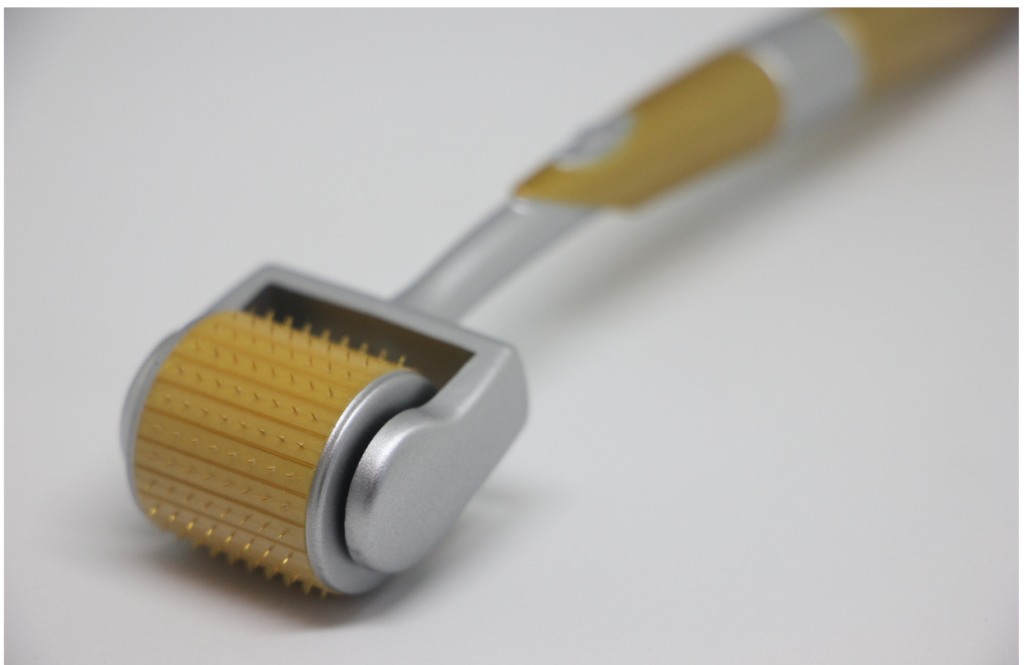
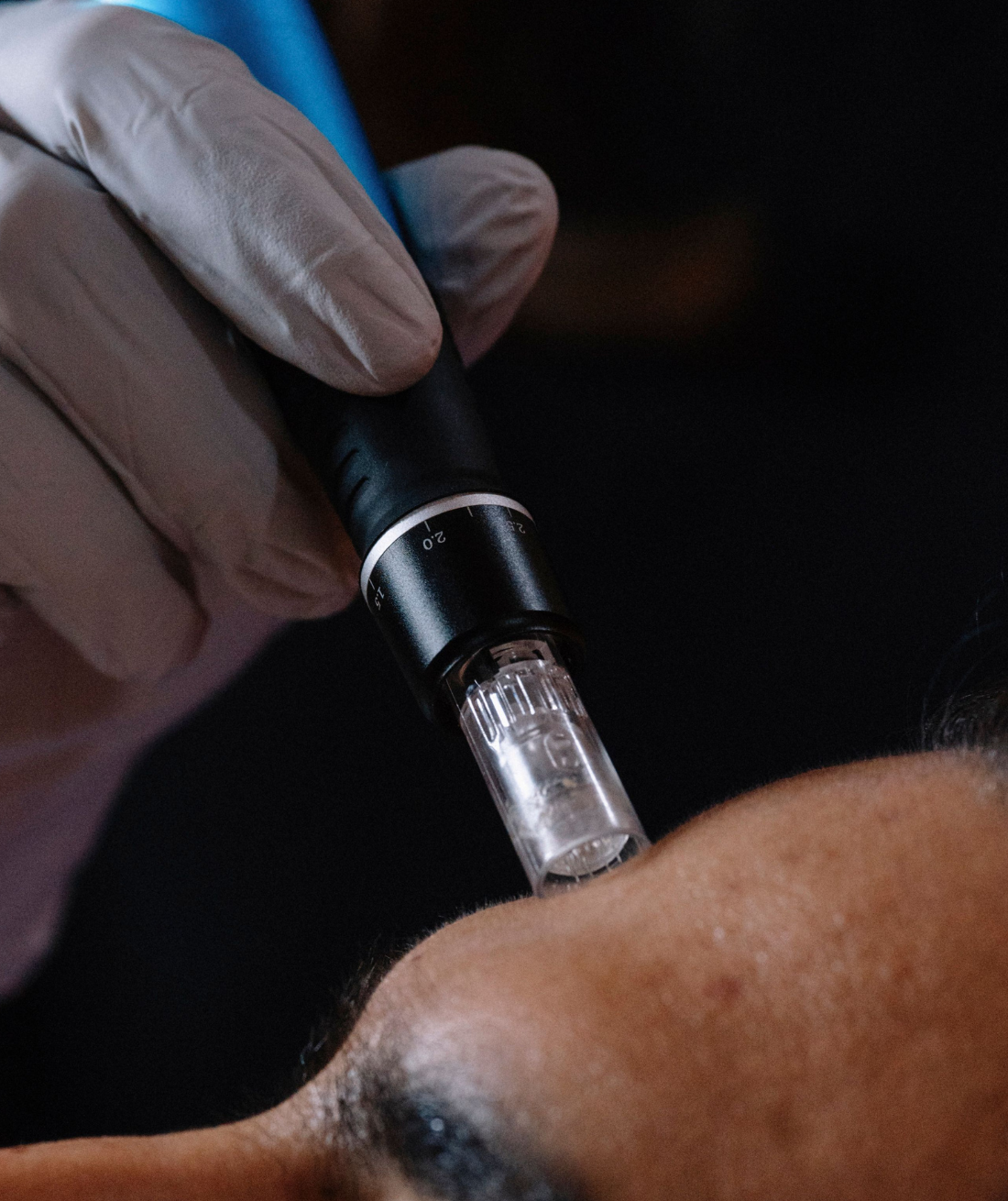
Microneedling uses a device covered in very fine needles to create tiny, controlled punctures across the skin. This sounds intense, but the punctures are microscopic, and the whole point is triggering your body’s own healing response. When skin senses this injury, it ramps up collagen and elastin production to repair itself, which is exactly the process that improves texture and firmness over time.
This is different from products applied on top of the skin. Serums and creams work on the surface, while microneedling works by prompting change from within the deeper layers, which is part of why results tend to be more noticeable than typical over-the-counter options.
Why Pores Look Smaller After Treatment
Enlarged pores are often tied to a mix of genetics, oil production, and the surrounding skin losing firmness over time. As collagen production increases following microneedling sessions, the skin around each pore gains more structural support, which makes pores appear smaller and less noticeable even though the pore itself has not physically shrunk.
This effect tends to build gradually rather than showing up after a single session. Most people notice subtle improvement within the first few weeks, with more meaningful change becoming visible after a series of treatments.
Addressing Uneven Texture And Old Acne Scars
Texture concerns, including bumpy skin and shallow acne scarring, respond particularly well to this treatment. The controlled healing response encourages new collagen to fill in depressed areas left behind by old scars, gradually smoothing the surface over multiple sessions.
What we have seen across patient results is that texture improvements tend to be more consistent than more dramatic claims sometimes suggest, but the cumulative effect after three to six sessions is often genuinely noticeable in a way single treatments rarely achieve.
Who Tends To See The Best Results
Microneedling works well for a wide range of skin tones and skin types, including deeper complexions that are sometimes poor candidates for certain laser treatments. People dealing with fine lines, mild acne scarring, enlarged pores, or general texture concerns tend to be good candidates.
Anyone considering microneedling in Chicago with more significant skin laxity or deeper scarring may benefit more from a radiofrequency-enhanced version of the treatment, which adds heat energy for a more intensive effect on tighter, more resistant skin.
How Many Sessions It Actually Takes
This is not typically a one-and-done treatment. Most patients need a series of three to six sessions spaced four to six weeks apart, depending on the specific concern being treated and how the skin responds along the way. Spacing sessions out gives the skin adequate time to rebuild collagen between treatments rather than overwhelming it with back-to-back procedures.
Concierge Aesthetics & Plastic Surgery notes that patients typically see a visible improvement within the first few days after treatment, with continued refinement over the following weeks and months after each individual session, since the collagen rebuilding process happens gradually rather than all at once immediately after treatment.
What Recovery And Downtime Actually Look Like
Recovery from microneedling is relatively mild compared to more aggressive resurfacing treatments. Most patients experience redness and mild swelling for a day or two, similar in appearance of a moderate sunburn. This typically resolves within 24 to 72 hours, and most people feel comfortable returning to normal activities the following day.
Sun protection matters significantly during this window, since freshly treated skin is more vulnerable to sun damage and pigmentation issues if left unprotected.
Final Words
Microneedling genuinely helps with pore appearance and texture, but it works gradually rather than producing an overnight transformation. Going in with patience and committing to the full recommended series rather than judging results after just one session tends to produce the most satisfying outcome.
Skin renewal is a gradual process, and treatments built around that biology simply need enough time to fully show what they can do.