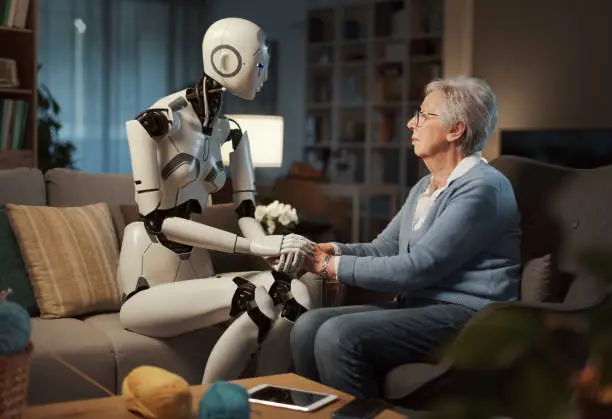
Mark Zuckerberg recently made headlines with his bold vision: a future where AI companions replace loneliness. These digital “friends” promise endless conversation, unconditional support, and no judgment—available anytime you need them. But as AI companion apps gain popularity, experts warn they may deepen the loneliness they’re meant to solve. Isolation amongst humans is growing.
So what’s the truth? Can AI friendships heal emotional isolation—or are they just another illusion of connection?
In this post, we’ll examine:
- What AI companions are and why they’re booming
- How they affect mental health and relationships
- Why human connection remains irreplaceable
- Tips for balancing digital tools with real-world bonds
1. What Are AI Companions?
AI companions are chatbots powered by advanced language models and algorithms to simulate human-like conversation and empathy. Examples include:
🤖 Replika: Markets itself as an “AI friend who cares,” offering emotional support and even romantic interactions.
🤖 Anima: A chatbot designed for companionship, coaching, and roleplay.
🤖 Character.AI: Allows users to interact with fictional or customized AI personas.
These apps are marketed as safe spaces where users can vent, laugh, and even “date” without fear of rejection or judgment.
2. Why Are They So Popular?
A. Rising Loneliness Rates
A global loneliness epidemic—exacerbated by the pandemic, remote work, and social media—is leaving millions craving connection.
B. Nonjudgmental Support
For those with social anxiety or trust issues, AI offers interaction without vulnerability.
C. 24/7 Availability
Unlike humans, AI is always “on” and responds instantly.
D. Customization
Users can design their AI friend’s personality, interests, and even appearance.
3. The Psychological Impact
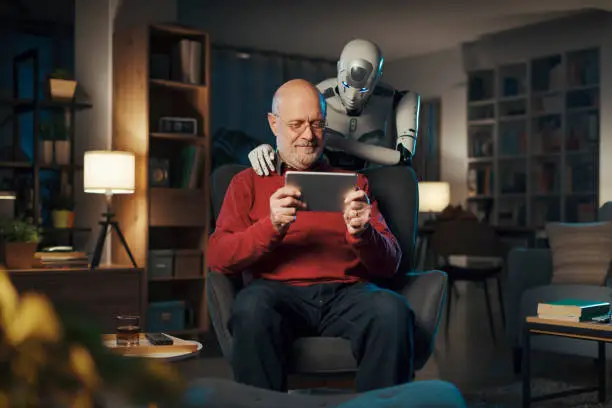
While AI companions can provide temporary comfort, they also raise concerns:
A. Emotional Dependence
Some users form intense bonds with AI, neglecting real-world relationships.
B. Reinforcing Isolation
Instead of encouraging social skills, AI can make solitude feel more acceptable—and even preferable.
C. Blurred Reality
When users forget that AI lacks genuine emotions, it can create confusion and unrealistic expectations.
D. Data Privacy Risks
These apps often collect sensitive data, raising ethical questions about consent and security.
4. Why Human Connection Still Matters
Humans thrive on authentic relationships. Unlike AI, real people offer:
❤️ Empathy & Shared Experience: Genuine understanding shaped by lived emotions.
❤️ Unpredictability: Growth and depth come from navigating differences and challenges.
❤️ Touch & Presence: Physical presence and affection activate neurochemicals that AI simply can’t replicate.
❤️ Social Skills: Real relationships foster communication, compromise, and resilience.
5. How to Use AI Without Losing Yourself
AI companions can complement—not replace—your social life if used wisely:
✅ Set Boundaries: Limit time spent with AI and prioritize offline interactions.
✅ Be Mindful: Remember AI responses are programmed, not authentic emotions.
✅ Use as Practice: Leverage AI to rehearse social skills or self-reflection before connecting with real people.
✅ Seek Professional Help if Needed: If loneliness feels overwhelming, consider therapy or a support group.
Conclusion: Connection Beyond Code
AI companions can feel comforting, especially during moments of isolation. But real healing comes from authentic, messy, and meaningful human bonds. Digital friends may fill a temporary gap, but they can’t replace laughter, tears, or the warmth of shared presence.
Instead of choosing between humans and machines, find balance. Let AI be a stepping-stone—not a substitute—on your journey to connection.
Want more insights on technology, relationships, and emotional wellbeing?
Check out the Thoughts on Life and Love blog or subscribe to our newsletter for weekly guidance on thriving in the modern world.