
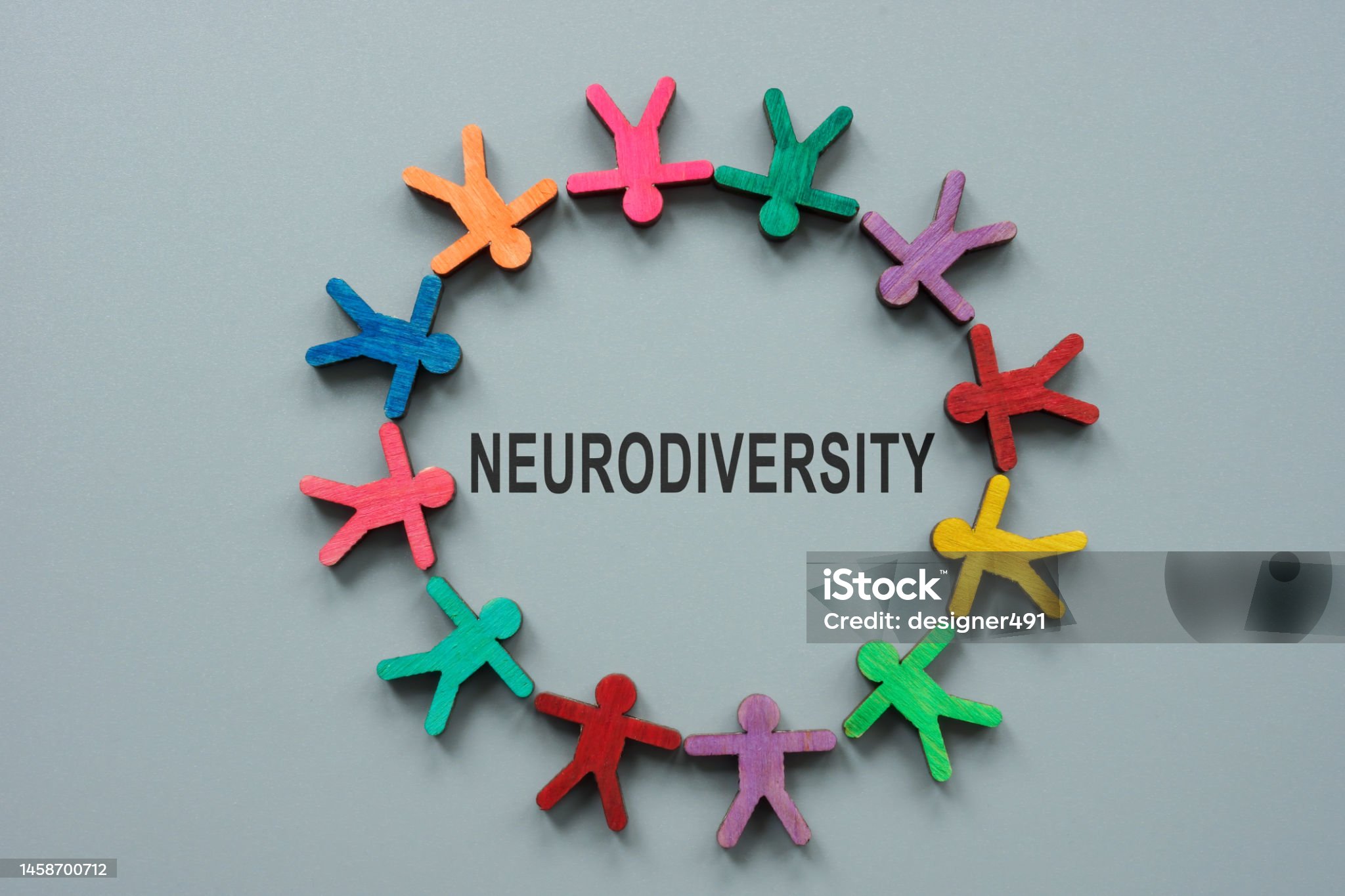
In recent years, the term neurodiversity has become increasingly visible in conversations about mental health, education, and employment. You may have heard it on social media, in diversity and inclusion campaigns, or even in your workplace. But what does it actually mean—and what truths about it are still largely misunderstood, misrepresented, or ignored altogether?
As a psychologist and cognitive behavioural therapist, I’ve witnessed firsthand the power of understanding and embracing neurodiversity—not only for individuals who identify as neurodivergent, but also for the broader society. This blog will dive deep into what neurodiversity really means, the history of the term, common myths, and—perhaps most importantly—the inconvenient truths many people still don’t talk about.
Let’s unpack it.
Understanding Neurodiversity: A Definition
Neurodiversity is the concept that neurological differences are natural variations of the human brain, not deficits or disorders to be cured. It recognizes that individuals experience, process, and respond to the world in diverse ways—and that this diversity should be respected and valued like any other form of human diversity (such as ethnicity, gender, or culture).
This includes conditions such as:
-
Autism Spectrum Condition (ASC)
-
Attention Deficit Hyperactivity Disorder (ADHD)
-
Dyslexia
-
Dyspraxia
-
Tourette Syndrome
-
Obsessive-Compulsive Disorder (OCD)
-
Bipolar Disorder (in some definitions)
But neurodiversity doesn’t only describe specific diagnoses. It also encompasses the broader range of cognitive styles, meaning someone doesn’t necessarily need a label or diagnosis to be considered neurodivergent.
The key idea is this: there is no one “right” way to think, feel, behave, or learn. Difference is not defect.
A Quick History: Where Did the Term Come From?
The term neurodiversity was coined in the late 1990s by Judy Singer, an Australian sociologist who is herself autistic. Singer, along with other early advocates like Harvey Blume, wanted to challenge the prevailing view that autism and similar conditions were medical disorders to be “fixed.”
They saw parallels with other civil rights movements and argued that the neurodivergent community deserved recognition, accommodation, and empowerment—not stigma or marginalization.
This movement, known as the neurodiversity paradigm, contrasted sharply with the medical model of disability, which views mental health and neurological conditions primarily as dysfunctions to be treated or eliminated.
Instead, the neurodiversity paradigm sees neurodivergence as a natural and valuable part of human variation, with both strengths and challenges.
The Truth Few People Know: Neurodiversity Isn’t Always Comfortable
Let’s get to the heart of this blog: the uncomfortable truth—the one that rarely makes it into Instagram infographics or corporate DEI statements.
Neurodiversity is not always “quirky,” “genius,” or “fun.” It’s not just about brilliant tech founders who dropped out of college, or children who are “just a bit different.”
Neurodiversity can also mean:
-
Being misunderstood or misdiagnosed for years
-
Struggling to maintain employment due to sensory overload or executive dysfunction
-
Being socially excluded or bullied
-
Battling chronic anxiety or burnout
-
Living in a world not designed for your brain
And here’s the real kicker: the concept of neurodiversity is often co-opted and commodified by organisations or brands that want to seem inclusive—but without making meaningful changes to systems, workplaces, or education.
There’s a growing trend of celebrating neurodiversity on the surface while silencing the lived experiences of neurodivergent individuals—especially those who don’t “mask” well, or whose traits don’t fit neatly into a palatable narrative.
The “Good Neurodivergent” Bias
This brings us to a lesser-known, but powerful idea: the “Good Neurodivergent” bias. This is the social preference for individuals who are neurodivergent but also highly functional, articulate, and agreeable—especially when they bring unique talents or insights to the table.
Think of the “autistic genius coder” stereotype, or the creative “ADHD entrepreneur.”
While it’s important to highlight strengths, this narrow portrayal reinforces harmful myths, such as:
-
“All autistic people are brilliant at maths or tech.”
-
“ADHD just means being a bit forgetful and creative.”
-
“If you’re articulate and sociable, you can’t be autistic.”
-
“You’re not really struggling if you’re successful.”
This binary way of thinking is damaging. It creates pressure to mask, perform and prove one’s worth in neurotypical ways.
It also erases the experiences of neurodivergent people who are non-speaking, chronically burnt out, or who need higher levels of support—and contributes to their further marginalisation.
Misdiagnosis and Late Diagnosis: Another Unspoken Reality
One of the most overlooked truths about neurodiversity is the epidemic of late or missed diagnoses—particularly in women, people of colour, and individuals from lower socioeconomic backgrounds.
Many women with ADHD or autism were labelled as “daydreamers,” “dramatic,” or “shy” in childhood. They were punished for “talking too much,” “zoning out,” or “not trying hard enough”—when in reality, they were working twice as hard to appear “normal.”
The clinical criteria used for diagnosis were often developed based on male presentations and white, middle-class samples, which means many people simply don’t fit the expected profile.
This results in decades of:
-
Shame and confusion
-
Internalised self-blame
-
Anxiety and depression
-
Risk of trauma from unsupported needs
Receiving a diagnosis in adulthood can be validating—but it also comes with grief, regret, and identity confusion. This part of the neurodivergent journey isn’t talked about nearly enough.
Neurodiversity and Mental Health: An Intertwined Reality
It’s crucial to understand that being neurodivergent is not the same as having a mental illness—but there’s often significant overlap.
Many neurodivergent people experience:
-
Anxiety disorders (especially social anxiety)
-
Depression
-
OCD traits
-
Emotional dysregulation
-
Trauma-related responses
Why? Because they grow up in a world that constantly invalidates, misunderstands, or punishes their natural ways of thinking and being.
For example:
-
A child with sensory sensitivities is labelled as “difficult.”
-
A teen who hyperfixates on one topic is mocked for being “obsessed.”
-
An adult who struggles with executive functioning is accused of being “lazy” or “incompetent.”
These repeated micro-injuries over a lifetime accumulate into what some researchers call “minority stress”—the chronic stress of living in a society where your neurotype is not the default.
The Power of Unmasking: But Also the Pain
A common experience among late-diagnosed individuals is the realisation that they’ve been “masking” their neurodivergent traits for years—sometimes decades.
Masking refers to the process of suppressing or camouflaging one’s natural behaviours in order to fit in socially. This might include:
-
Forcing eye contact
-
Practicing “appropriate” facial expressions
-
Hiding stimming behaviours
-
Over-preparing for conversations
-
Faking interest or understanding
While masking can be a survival mechanism, it is also exhausting and often leads to:
-
Burnout
-
Loss of identity
-
Disconnection from one’s authentic self
The process of unmasking—learning to live more authentically—is liberating, but it’s also emotionally painful. It may mean losing relationships, changing careers, or confronting long-buried wounds.
The Future of Neurodiversity: What Needs to Change
For neurodiversity to be more than a buzzword, we need to move from celebration to systemic change.
This means:
-
Education systems that are flexible, inclusive, and trauma-informed.
-
Workplaces that don’t just tolerate difference but redesign processes and expectations to accommodate it.
-
Healthcare professionals who are trained to spot neurodivergence beyond the stereotypes.
-
Mental health services that understand the unique presentations and needs of neurodivergent individuals—without defaulting to deficit-based models.
-
Media representation that is nuanced, diverse, and led by neurodivergent voices.
Practical Ways to Support Neurodivergence
Whether you are neurodivergent yourself or a supportive ally, here are some tangible ways to foster neuroinclusive spaces:
-
Learn from lived experience. Follow creators, writers, and advocates who are neurodivergent. Prioritise first-hand stories.
-
Challenge stereotypes. Don’t reduce ADHD to being “easily distracted” or autism to being “robotic.” These are lazy and harmful tropes.
-
Ask, don’t assume. Everyone’s needs are different. What helps one neurodivergent person might overwhelm another.
-
Normalise accessibility. Use clear communication, offer different formats (visual, auditory, written), and rethink what “professionalism” really means.
-
Reframe “soft skills.” Traits like honesty, hyperfocus, pattern recognition, and unconventional problem-solving are assets—not liabilities.
Final Thoughts: The Deep Truth at the Core of Neurodiversity
At its core, neurodiversity challenges one of the most entrenched beliefs in society: that there is a normal way to be.
But there isn’t.
There is only the richness of variation—of minds wired differently, experiencing life through beautifully complex filters.
The truth that few people talk about is this: neurodiversity is not always easy, but it is deeply human.
It requires compassion, flexibility, self-exploration, and unlearning old scripts. It invites us to build a world where difference is not just accepted, but expected and embraced.
And when we do that—really do that—we don’t just improve life for neurodivergent people.
We create a better world for everyone.
Want to Go Deeper?
If you’re interested in learning more about your own neurodivergent traits, or supporting someone you love, here are a few resources and next steps:
-
Book a session with a neurodiversity-informed therapist or coach.
-
Read books like “NeuroTribes” by Steve Silberman or “Unmasking Autism” by Dr. Devon Price.
-
Follow neurodivergent educators like @neurodivergent_insights, @drkimholland, or @the_adhd_femme on Instagram.
-
Advocate for change in your school, workplace, or community.
And if you’d like tailored help around managing anxiety, identity, or social confidence—especially if you suspect you may be neurodivergent—get in touch. I offer 1:1 sessions and resources to help you thrive authentically, without having to mask who you are.
Let’s stop forcing people to fit in—and start designing systems where we all belong.


