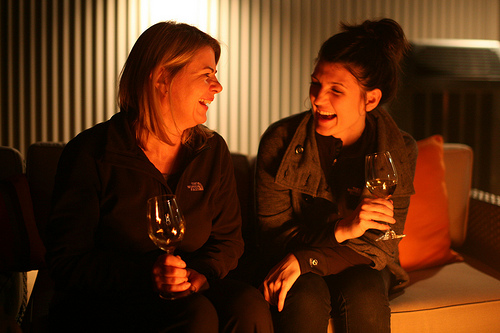
Facing anxiety can make socialising feel daunting—and as an adult, it may seem harder to meet new people. Yet strong social bonds are vital for mental health. This guide combines research, supportive communities, and practical strategies to help you build meaningful connection—even if social anxiety feels like a barrier.
1. Why Social Connection Matters (Especially at 24+)
-
Mental health benefits: Loneliness is linked to depression and anxiety. Peer connection reduces isolation and builds resilience—a necessity for young adults transitioning into work, relationships, and independence.
Research shows lack of connection harms youth mental health significantly. Investing in youth clubs and spaces helps build confidence and reduce isolation . -
Developmental stage: The mid-20s to early 30s are formative years for identity, partnerships, and career. Social groups can support both emotional growth and life enrichment.
Yet Generation Isolation research shows that many prefer online life but crave real-world contact—facing both anxiety and lack of venues The Sun.
2. Challenges of Social Anxiety in Meeting Peers
Social anxiety can feel especially limiting for young adults:
-
Fear of judgement or rejection.
-
Difficulty initiating or maintaining conversations.
-
Uncertainty about where to start meeting people in a non‑pressure environment.
-
Feeling that peer-finding platforms are geared toward extroverts or younger groups.
Many feel stuck between wanting connection and fearing social exposure.
3. Evidence-Based Peer Support: WalkTheTalk’s Model
WalkTheTalk is a UK peer‑support programme based on Cognitive Therapy for Social Anxiety (CT‑SAD). It brings together people with social anxiety in small groups to practice social exposure in safe, structured settings WalkTheTalk.
-
Free, peer‑led, weekly meetings (online and in-person).
-
Designed to gradually reduce anxiety—safe for first-timers.
-
Early data: ~90% report improvement after three sessions Them; +2WalkTheTalk; +2socialanxietyalliance.org.uk; +2Health; +3Reddit; +3socialanxietyalliance.org.uk.
This is a proven model where socially anxious adults learn social skills with empathy and minimal pressure.
4. UK Support Groups & Local Communities
Social Anxiety Alliance UK (SAAUK) offers a network of local face‑to‑face and online peer groups across the UK :
-
WalkTheTalk – London + online.
-
SASH (Shyness & Social Health) groups across London.
-
Manchester Social Anxiety Group, Bristol, Nottingham & Derby, etc.
Sessions are low‑stigma, often low-cost, and focused on peer connection rather than therapy sessions.
5. Meetup & Activity-based Social Groups
Many Meetup groups label themselves “social anxiety” friendly. While not therapeutic, they offer low-stress, interest-based meetups
References/links: Reddit+3socialanxietyalliance.org.uk+3WalkTheTalk+3Reddit+4socialanxietyalliance.org.uk+4socialanxietyalliance.org.uk+4WalkTheTalk+4socialanxietyalliance.org.uk+4socialanxietyalliance.org.uk+4:
-
Search for “social anxiety peer support” or “shy and introvert friends”.
-
Some events focus on board games, walks, or book clubs—structured activities that ease social pressure.
Reddit users recommended:
-
Toastmasters, for building confidence in public speaking in a non‑judgmental way
-
Relevant lins: Reddit+11Reddit+11socialanxietyalliance.org.uk+11Reddit+3Adelaide Now+3The Guardian+3.
-
Tabletop gaming nights (e.g. Sugar & Dice in Liverpool) for structured yet social interaction Reddit.
-
Walking or running clubs, e.g. Parkrun volunteers for contact without pressure Reddit+1The Sun+1.
6. Community Initiatives & Youth Centres
Youth clubs and community centres provide inclusive, structured activities ideal for meeting peers:
-
In England, youth centres like OnSide’s Youth Zones offer affordable, safe spaces for young people to connect through arts, sport, social clubs—shown to improve mental health and reduce isolation The Sun.
-
In Manchester, the charity 42nd Street supports ages up to 25 with drop-in sessions in arts, music, drama, wellness—promoting peer interaction and mental wellbeing Wikipedia.
-
In Glasgow, youth organisation SiMY uses outdoor activities (forest bathing, group hikes, arts) to build confidence and reduce social isolation Wikipedia.
7. Online Peer Communities & Discord Groups
For those preferring to start online:
-
Social-anxiety online communities: The SAAUK discussion board and social-anxiety‑community.org host moderated forums where adults share peer support
-
Links: Reddit+4socialanxietyalliance.org.uk+4socialanxietyalliance.org.uk+4.
-
Discord groups for socially anxious adults: Many Reddit users describe forming small Discord communities to practice small talk and build trust before meeting in person Reddit.
-
Broader peer-support platforms like The Mix offer forums and group chats for under 25s—especially for emotional support and connecting with peers Wikipedia.
8. Structured Skill‑Building Communities
Groups that provide training or shared tasks remove social uncertainty while building confidence:
-
Toastmasters: Offers structured public speaking practice, eye contact, feedback—good for easing anxiety about meeting people Verywell MindReddit+1Reddit+1.
-
Adult classes and hobby groups: Reddit users recommended evening courses at City Lit, Mary Ward Centre, amateur theatre (backstage roles reduce pressure) Reddit.
-
Tabletop gaming or D&D groups offer shared activity and roles, easing social pressure RedditReddit.
9. Why These Settings Work for Social Anxiety
Research on anxiety and exposure therapy shows the importance of:
-
Gradual exposure in safe, predictable environments.
-
Structured activities, which reduce the pressure of unstructured small talk.
-
Peer-led environments, which feel less clinical and more equal.
-
Shared interests, which foster connection through common purpose.
Platforms like WalkTheTalk integrate these elements, while hobby-based groups offer organic low-stakes interaction.
10. How to Get Started Safely
a) Explore online first
-
Join a Discord group or SAAUK forum to test comfort.
-
Observe conversations; participate when ready.
b) Choose structured events
-
Sign up for an art class, board game night, or Toastmasters meeting: safe topics, repeat format.
c) Use hybrid support
-
Consider pairing peer support (e.g. WalkTheTalk) with therapy or self-help resources like CBT techniques : Link: HealthWalkTheTalk.
d) Set realistic exposure goals
-
Start by listening only. Then introduce yourself once. Gradually build presence.
e) Be patient with yourself
-
Anxiety response is normal. Going once is progress. Going again after missing is also progress.
11. Personal Reflection and Growth
Joining groups not only builds social skills—it challenges core beliefs:
-
“I’m too anxious to connect” → “I can take steps and feel safer over time.”
-
“People will judge me” → “We’re all there to meet each other, not to critique.”
-
“No one else struggles like I do” → “Many people share this experience” (peer support normalises anxiety).
12. Summary Table
| Type of Group | Format | Why It Helps | Examples/Platforms |
|---|---|---|---|
| Peer‑support therapy‑based | Small weekly groups | Clinical structure + empathy + exposure | WalkTheTalk (UK) socialanxietyalliance.org.uk |
| Local social anxiety meetups | Meetup, peer groups | Shared experience, structured social events | SAUK groups across UK cities socialanxietyalliance.org.uksocialanxietyalliance.org.uk |
| Skill‑building classes | Courses/workshops | Common purpose, learning context lowers social threat | City Lit, Toastmasters, theatre groups RedditReddit |
| Activity-based hobby groups | Gaming, walking, fitness | Interaction through shared interest, low pressure | RPG gatherings, Parkrun, GirlsOnTheGo clubs RedditReddit |
| Online peer communities | Forums, Discord | Low pressure, anonymous practice, gradual comfort | SAAUK boards, social‑anxiety Discords Redditsocialanxietyalliance.org.uk |
| Youth or community centres | Group activities | Safe space, structured programming, peer interaction | 42nd Street (Manchester) Wikipedia, SiMY (Glasgow) Wikipedia |
13. Final Thoughts
Building new connections as a socially anxious young adult is possible—with the right supports, research-based formats, and safe pacing. From online groups to peer‑support therapy, structured hobbies to community centres, there are paths forward—each allowing you to gradually rebuild confidence, feel seen, and form friendships.
You don’t have to start big. Start small. One supportive forum post. One class. One Toastmasters meeting or WalkTheTalk session. Over time, these micro‑steps add up to real connection and healing.
Resources & Further Reading
-
WalkTheTalk social anxiety peer support The Sun+1Reddit+1
-
Social Anxiety Alliance UK: Meetups & discussion boards WalkTheTalk+3socialanxietyalliance.org.uk+3socialanxietyalliance.org.uk+3
-
VerywellMind’s list of best online anxiety support groups, including forums suitable for social anxiety Verywell Mind
-
Health.com tips on overcoming social anxiety and meeting new people safely Health+1WalkTheTalk+1
Reflection Questions
-
Which of the groups above appeals to you most—and why?
-
What’s one small step you could take this week toward joining a structured activity or peer group?
-
How might connecting with people who also struggle with social anxiety help shift your internal narrative?
-
What support might you need (e.g. therapy, planning, companion) to feel safer in starting?

The Sun

Adelaide Now