
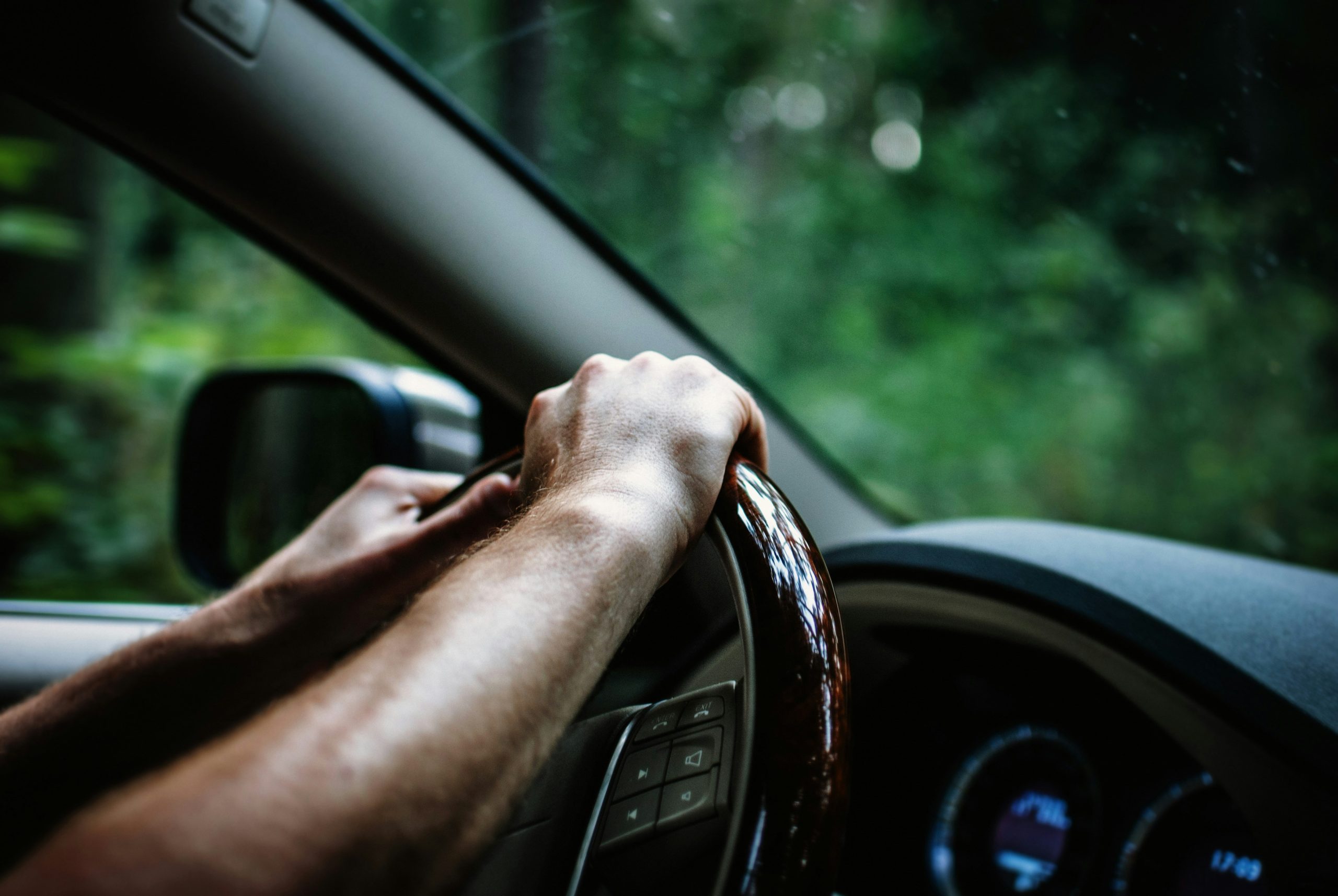
Many people picture driving as a routine part of daily life between office commutes, school runs, and shopping trips. A 2024 survey by the Pew Research Center states that 10% of the US population rarely or never drives. That means 9 of 10 people are behind the wheel often. Non-drivers depend on others, use rides, or commute with the help of public transport.
Among the regular drivers are some who struggle with anxiety. Getting in the driver’s seat can trigger intense fear or physical discomfort for them. However, these negative feelings should not be the end of the road. There are actionable ways to regain your confidence and make meaningful progress.
In this article, we will share a few tips to handle the emotional and practical aspects of driving anxiety.
Know Your Triggers
According to Medical News Today, driving anxiety stems from the fear of being behind the wheel. The fear is intense and often irrational, and mostly poses no or little danger. You may find yourself avoiding driving, which can eventually affect your independence and quality of life. The first step to overcome this concern is to know your triggers.
For some people, highways trigger stress as the higher speeds and merging lanes can provoke fear of accidents or losing control. Some fear bridges and tunnels due to claustrophobia or fear of heights. Busy city streets with crowded intersections, cyclists, and unpredictable pedestrians can overwhelm some drivers.
Many are scared of driving at night or in bad weather due to limited visibility and glare. Worrying about not knowing the route or taking a wrong turn is a frequent concern. The absence of support can amplify feelings of vulnerability. Note what makes you anxious so that you can find a way to overcome the trigger.
Start Slowly
Gradual exposure is a sensible way to combat any phobia. The last thing you should do is try to push through anxiety by jumping straight into feared scenarios. This approach can backfire and reinforce negative associations. Instead, proceed step-by-step and find a way to beat the things that stop you.
For example, you can drive short distances along the routes that feel least intimidating. A short, familiar drive to a nearby park or store is a good idea. As you grow comfortable behind the wheel, add new elements. Try slightly longer rides, explore unfamiliar roads, or navigate light traffic. However, avoid rush hours and busy periods to ease pressure.
Having a loved one in the car can make you feel safer as you build confidence. Repeat the practice as each positive experience chips away at anxiety and builds trust in your abilities. Setbacks are normal, but persistence and patience are essential to keep moving ahead.
Commit to Safe Driving
If driving makes you anxious, the smallest mishap can be a major setback for your confidence levels. Adopting safe, responsible driving habits is crucial for all, even more so if you suffer from driving anxiety. Following the rules means you can prevent accidents, and keeping a close eye on others keeps you safe from negligent drivers.
Let us say you live in St. Louis, a city notorious for bad drivers. According to a Fox2 article, the city’s driving safety ranking plummeted from 90th to 175th in the last decade. That is one of the steepest in the country. When accidents happen, looking for a St. Louis car accident lawyer is a priority for victims who suffer due to the negligence of others.
TorHoerman Law notes that such victims are legally entitled to compensation that covers their physical, emotional, and financial damage. The impact is far bigger as this situation may cause lifelong trauma and phobia for the drivers and passengers who suffer.
Besides committing to staying under speed limits, steer clear of distractions. Also, keep your car well-maintained, choose safe routes, and be aware of weather forecasts. Being extra cautious will alleviate your fear to some extent.
Practice Relaxation
Managing your symptoms through relaxation techniques can help you overcome your fear and nervousness. Healthline recommends a list of exercises that help calm nerves when you are anxious. Deep breathing is a good start to ease the tension within minutes.
Try progressive muscle relaxation while taking rest breaks. Tense and release muscle groups, from your toes up, to reduce physical tension. Picture yourself driving calmly and confidently in your mind. Imagine successfully navigating a challenging scenario without distress.
Gently redirect your thoughts if they wander into anxious territory. Prepare positive statements and repeat them when anxiety spikes. Practicing these techniques regularly, even outside the car, can make it easier to tap into them when needed.
FAQs
Does driving anxiety go away?
Driving anxiety can diminish with the right approach. You can adopt measures such as consistent exposure, self-education, and coping strategies to deal with it. For some, it may never go away, but it becomes more manageable over time. You may consider seeking support from a therapist or driving instructor specializing in anxiety.
How to calm down before a long drive?
A long drive can make you stressed out if you already struggle with anxiety. Having someone ride with you is a good idea. Consider some relaxation exercises before getting behind the wheel. Create a calm environment in the car with soft music, clean interiors, and a comfortable temperature. Also, plan your route and ensure that you are well-rested.
How to overcome the fear of driving alone?
Many people feel anxious about driving alone, but it is possible to overcome the feeling. Start with baby steps, driving short distances and to familiar places along low-traffic routes. Try to stay calm and relaxed. Regular solo drives should be a routine to address this phobia and rely on your abilities.
Driving anxiety can feel isolating, but it is both common and treatable. Progress may be gradual, but it is possible to reclaim your freedom and confidence on the road. You can do it with the right mindset, consistent practice, and support when needed. Adopt these tips and gain confidence every time you hit the road.
