
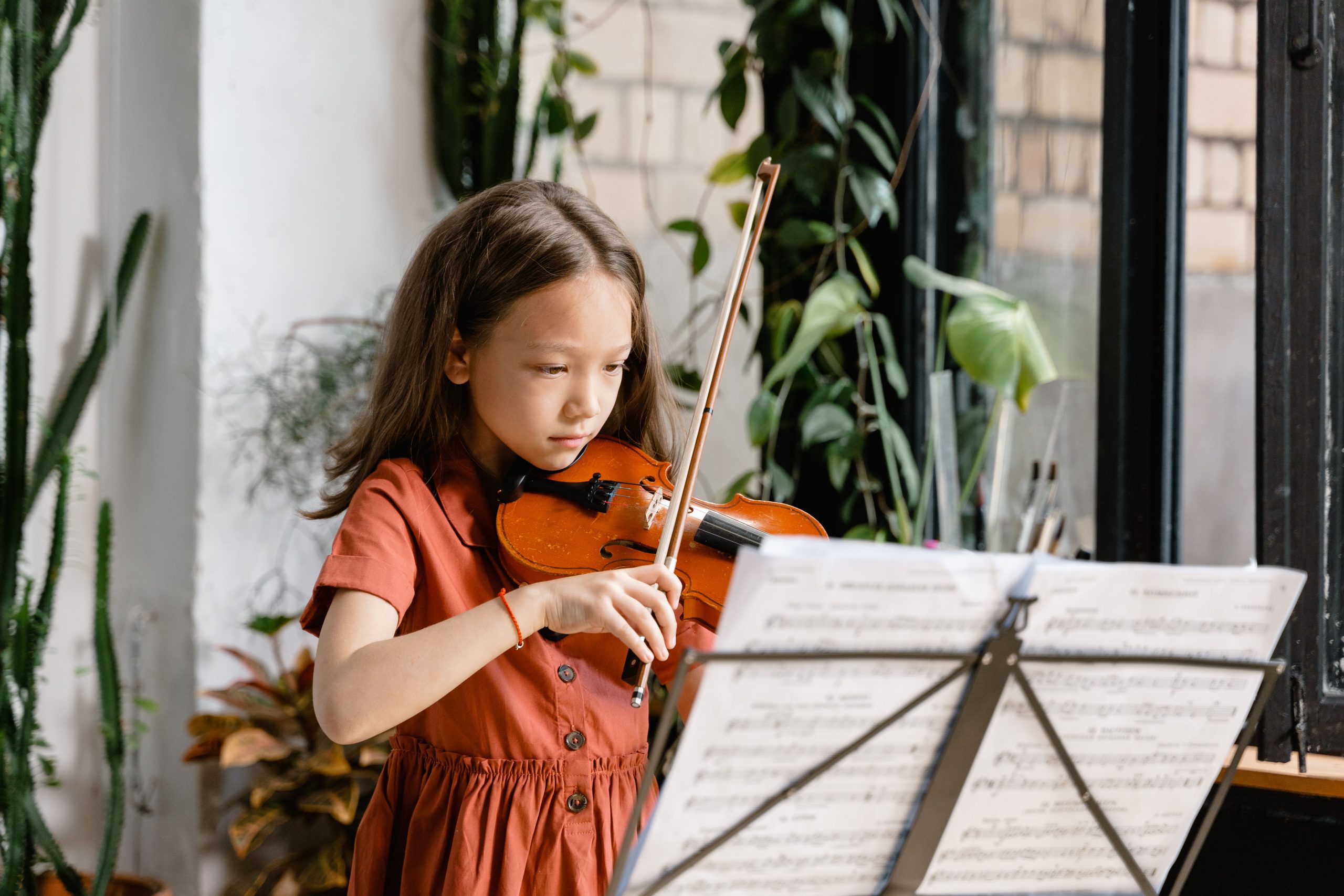
Helping a child build confidence is one of the most meaningful roles a parent or caregiver can take on. While encouragement and support at home are essential, hobbies offer a powerful way for children to discover their abilities, express themselves, and develop a sense of identity. The right activity can foster pride, resilience, and a deeper belief in their own potential. Finding that hobby, however, requires thoughtful guidance, patience, and an understanding of what truly motivates your child.
Understanding Your Child’s Interests and Personality
Every child is unique, and their ideal hobby should reflect their individual personality, energy level, and interests. Some children thrive in social environments where they can collaborate and perform, while others feel more comfortable engaging in solo or quiet activities. Observing how your child naturally spends their time can provide valuable insight into what they may enjoy long term.
Start by noticing what excites them without prompting. Do they gravitate toward music, art, sports, or storytelling? Are they curious about how things work or eager to engage with others? Asking open ended questions about what they enjoy can also help them articulate their preferences. This process encourages self awareness, which is an important part of building self esteem.
It is also helpful to avoid projecting your own interests onto your child. While sharing your hobbies with them can be meaningful, their confidence will grow more authentically when they feel ownership over their chosen activities.
Encouraging Exploration Without Pressure
Exposure to a variety of activities allows children to experiment and discover what resonates with them. This might include trying out sports teams, art classes, music lessons, or even community programs. The key is to approach this exploration without pressure to succeed immediately.
When children feel that their performance is constantly being evaluated, they may become discouraged or fearful of failure. Instead, emphasizing effort and enjoyment helps them stay open to new experiences. Let them know it is acceptable to try something and decide it is not the right fit. This flexibility reduces anxiety and encourages a healthier approach to growth.
Celebrating small milestones is another effective way to build confidence. Whether it is learning a new skill, completing a project, or simply showing commitment, recognizing progress reinforces a sense of accomplishment. Over time, these moments contribute to a stronger self image.
Building Confidence Through Creative and Performance-Based Activities
Creative and performance based hobbies can be especially impactful in developing self esteem because they encourage self expression and provide opportunities for recognition. Activities such as dance, theater, music, and pageants allow children to showcase their talents and receive positive feedback from peers and audiences.
Pageants, for example, can introduce children to public speaking, stage presence, and personal presentation. Preparing for these events often includes practicing routines, building confidence in front of others, and developing discipline. For families exploring this path, selecting elements like costumes and accessories can become part of the experience, including choosing pageant dresses for girls that help a child feel comfortable and confident on stage.
These types of hobbies can empower children to step outside their comfort zones while still feeling supported. Over time, regular participation helps them become more confident in expressing themselves and handling attention in a positive way.
Supporting Skill Development and Consistency
Once a child begins to show interest in a particular hobby, consistent practice becomes an important factor in building confidence. Developing a skill over time allows children to see tangible improvement, which reinforces their belief in their abilities.
Parents can support this process by creating a structured but flexible routine. Encouraging regular practice without making it feel like a chore helps maintain enthusiasm. Providing access to resources such as lessons, equipment, or mentorship can also enhance their experience.
It is equally important to maintain realistic expectations. Progress takes time, and setbacks are a natural part of learning. When children encounter challenges, guiding them through problem solving rather than stepping in to fix everything can strengthen resilience. This approach helps them understand that growth comes from persistence, not perfection.
Creating a Positive and Supportive Environment
A child’s environment plays a crucial role in how they perceive their abilities. Positive reinforcement, encouragement, and understanding all contribute to a sense of security that allows self esteem to flourish. When parents focus on effort rather than outcomes, children are more likely to take risks and try new things.
It is also beneficial to create opportunities for children to share their achievements. Whether it is performing for family members, displaying artwork, or talking about their experiences, these moments validate their efforts and build pride in their accomplishments.
At the same time, it is important to avoid comparisons with others. Each child develops at their own pace, and measuring success against peers can undermine confidence. Instead, highlighting personal growth and individual milestones keeps the focus on their unique journey.
Conclusion
Helping your child find a hobby that boosts their self esteem is a process that involves patience, observation, and encouragement. By allowing them to explore different interests, supporting their chosen activities, and creating a positive environment for growth, you can help them develop confidence that extends far beyond their hobbies. The right activity not only teaches valuable skills but also helps children see their own potential, laying the foundation for a strong and lasting sense of self.


