
Most of us don’t think about posture until our back starts aching after a long day at a desk or until someone tells us to “sit up straight.” But here’s the thing: the way you hold your body isn’t just a matter of looking polished. It quietly shapes how you feel, how others see you, and how you see yourself. And once you understand just how deeply posture is connected to your overall well-being, you’ll never think of it as a minor detail again.
What Is “Good Posture” Really?
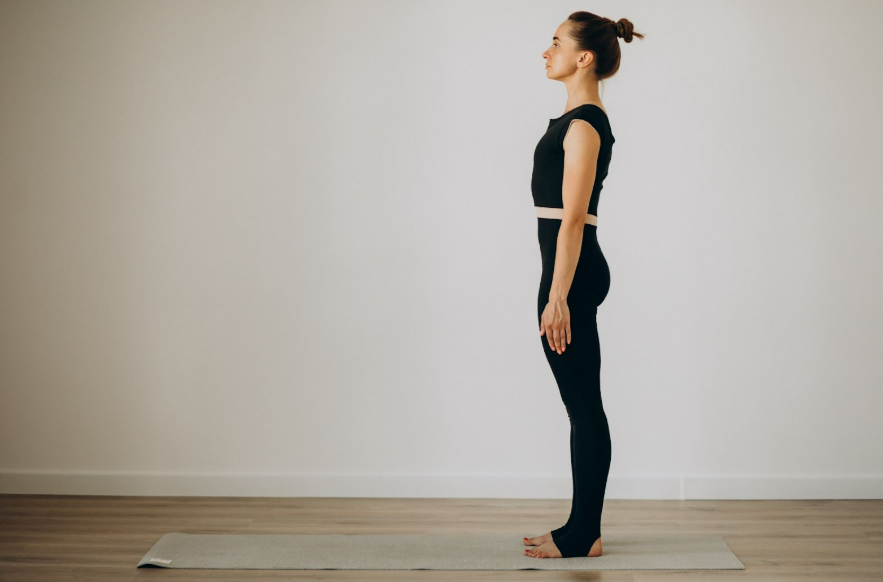
Good posture doesn’t mean standing stiff as a board. It means your body is aligned in a way that puts the least amount of strain on your muscles, joints, and ligaments, whether you’re sitting, standing, or moving.
Think of your spine as the foundation of a building. When it’s stacked correctly, everything above and below it works efficiently. When it’s off, even slightly, the surrounding structures have to compensate. Over time, that compensation leads to fatigue, pain, and dysfunction.
The Most Common Posture Problems
A few patterns show up again and again in everyday life:
- Forward head posture — your head drifts forward of your shoulders, often from looking down at phones or screens
- Rounded shoulders — the upper back curves forward, collapsing the chest
- Anterior pelvic tilt — the pelvis tips forward, exaggerating the lower back curve
- Slouching while seated — the lower back loses its natural curve, and the whole spine follows
None of these feels dramatic in the moment. But compounded overthe years, they can cause real problems.
How Poor Posture Affects Your Health
Chronic Pain and Muscle Tension
When your body is misaligned, certain muscles end up working overtime while others go underused. The neck and shoulder muscles, for example, are under enormous strain when your head sits even an inch or two forward of your center of gravity. That constant tension builds into chronic pain, the kind that’s dull and persistent rather than sharp and sudden.
Lower back pain is similarly tied to posture. A collapsed lumbar curve forces the discs and muscles of the lower back into positions they weren’t designed to hold for hours at a time.
Breathing and Circulation
This one surprises people: posture affects how well you breathe. When your chest is collapsed and your shoulders round forward, your diaphragm can’t expand fully. You end up taking shallower breaths, which means less oxygen reaches your tissues. Over time, this can contribute to fatigue, reduced mental clarity, and even increased feelings of anxiety.
Good upright posture opens the chest, allows the diaphragm to move freely, and supports deeper, more efficient breathing.
Digestion and Organ Function
When you slump for extended periods, you’re essentially compressing your abdominal cavity. The organs packed into that space, including the stomach and intestines, don’t function as well under that kind of pressure. Some people with chronic digestive issues find meaningful improvement simply by addressing their posture habits.
Nerve Function and Spinal Health
Compressed or misaligned vertebrae can irritate the nerves that branch out from the spinal cord. This is where chiropractic care becomes especially relevant. The team at Crist Chiropractic works with patients to address spinal misalignments that affect nerve function, helping the body restore balance and reduce discomfort at its source rather than just managing symptoms.
The Surprising Link Between Posture and Mental Health
Confidence and Mood
Research in psychology has shown that body posture influences how we feel emotionally, not just how others perceive us. Sitting or standing upright is associated with greater feelings of confidence, energy, and positive mood. Slumped posture, on the other hand, tends to reinforce feelings of low energy and self-doubt.
This isn’t just about looking confident. It’s about your nervous system receiving physical cues from your body position and interpreting them. When you expand and open your posture, you’re sending a signal that things are okay, and your brain responds accordingly.
Stress and the Nervous System
Chronic muscle tension from poor posture keeps the nervous system in a low-grade state of stress. Tight muscles in the neck and shoulders can stimulate the stress response, contributing to irritability and difficulty concentrating. Addressing posture is, in a meaningful way, a form of stress management.
Self-Image and Social Presence
How you carry yourself also affects how you’re perceived by others and how you perceive yourself. People who walk with an upright, open posture tend to be viewed as more capable and self-assured. More importantly, when you feel comfortable in your body, when you’re not hunched over or guarding an aching back, you show up differently in your own life. You make more eye contact, take up space more naturally, and project a kind of quiet ease.
Practical Steps to Improve Your Posture
Start With Awareness
You can’t fix what you don’t notice. Begin by checking in with your posture throughout the day. Set a reminder on your phone if needed. Ask yourself: where is my head relative to my shoulders? Are my shoulders curled forward? Is my lower back supported?
Simple awareness, practiced consistently, starts to rewire your default habits.
Strengthen the Right Muscles
Poor posture is often a strength and flexibility problem as much as a habit problem. The muscles of the core, glutes, and upper back, particularly the rhomboids and lower trapezius, tend to be weak in people with rounded shoulder posture. Exercises like rows, face pulls, dead bugs, and glute bridges can make a real difference over time.
At the same time, stretching the chest, hip flexors, and neck can relieve the tension that pulls the body out of alignment.
Ergonomics Matter More Than You Think
- Your monitor should be at eye level, roughly an arm’s length away
- Your feet should rest flat on the floor or a footrest
- Your lower back should be supported when sitting
- Your keyboard should allow your elbows to stay close to your body at roughly a 90-degree angle
These adjustments won’t fix everything, but they remove the environmental forces that fight against your efforts.
Take Breaks and Move
No ergonomic setup can fully compensate for hours of unbroken sitting. Movement is essential. Aim to stand, stretch, or take a short walk every 45 to 60 minutes. Even a minute or two of movement resets the tension that builds up in static positions.
Consider Professional Support
For many people, posture problems are tied to underlying spinal issues that no amount of stretching or strengthening can fully resolve on their own. Seeing a chiropractor can help identify and address misalignments that are contributing to your discomfort. Crist Chiropractic offers personalized care designed to support not just pain relief, but long-term spinal health and function.
Building Better Posture Habits Over Time
Consistency Beats Intensity
You won’t overhaul your posture in a week. This is a long-game effort. Small, consistent changes to a daily stretching routine, regular check-ins with your body, and thoughtful workspace adjustments add up significantly over months.
Be Patient With Yourself
Your body has spent years adapting to certain movement patterns. Undoing those habits takes time and repetition. There will be days you forget entirely, and that’s fine. The goal isn’t perfection; it’s gradual improvement.
Track Your Progress
Some people find it helpful to take a photo of their posture every few weeks, or to note when they feel less pain or more energy. Progress can be subtle, and having a reference point makes it easier to stay motivated.
Conclusion
Better posture isn’t about vanity or conforming to some old-fashioned idea of proper comportment. It’s about giving your body the structural support it needs to function well and giving yourself the physical foundation to show up more fully in your daily life.
The connection between how you hold yourself and how you feel physically and emotionally is more direct than most people realize. When you start paying attention to your posture, you’re not just adjusting your spine. You’re influencing your breathing, your pain levels, your energy, your mood, and the way you carry yourself through the world.
That’s a lot of return on something as simple as sitting up a little straighter.
