
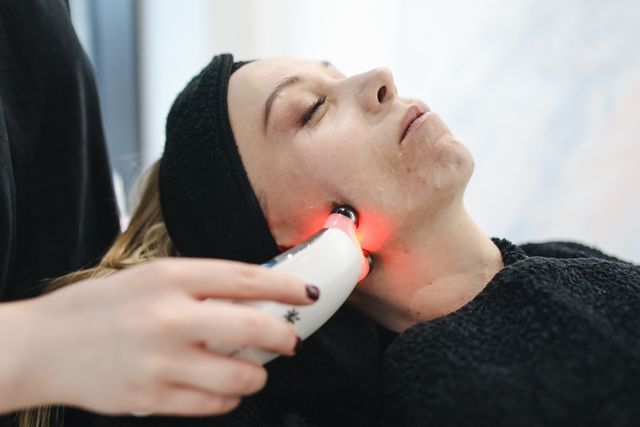
Aesthetic enhancement has never been more accessible, with growing numbers of people exploring everything from daily skincare routines to minimally invasive procedures. Wanting to look and feel your best is completely understandable, yet the relationship between physical appearance and mental health is layered enough to warrant real consideration. How you approach aesthetic decisions can shape the entire experience, determining whether it becomes something genuinely positive or a source of ongoing dissatisfaction. With the right mindset and a few guiding principles, it is entirely possible to pursue enhancement in a way that honors both your physical goals and your psychological well-being.
Understanding Your Motivations Before You Begin
Before pursuing any aesthetic treatment, honest self-reflection about your reasons is one of the most valuable steps you can take. Motivations rooted in personal desire, such as wanting to feel more at ease in your own skin or finally addressing something that has quietly bothered you for years, tend to produce far more satisfying outcomes than decisions driven by external pressure or comparison. If the desire for a procedure seems to stem primarily from social media trends or someone else’s expectations, that is worth slowing down to examine. A few sessions with a therapist or counselor before making significant changes can help you sort through your intentions and confirm that your choices reflect genuine self-awareness. The most sustainable outcomes tend to come from wanting to feel better for yourself, not from chasing an idealized image that may not align with your natural features.
Setting Realistic Expectations for Outcomes
Unrealistic expectations remain one of the most common reasons people feel let down after aesthetic procedures. No treatment, whether it involves injectables, skincare, or laser-based options, has the ability to completely transform someone’s appearance or resolve emotional struggles that are tied to self-image. Detailed conversations with your provider about what results are actually achievable, and what the road to getting there looks like, are essential before moving forward. For instance, when addressing concerns like uneven skin texture or sun damage, a co2 laser treatment can produce meaningful improvements in tone and texture, though understanding the recovery timeline and the gradual nature of results is key to managing expectations responsibly. Patients who enter procedures with a grounded and realistic outlook are consistently more likely to feel satisfied and to maintain a positive relationship with their appearance throughout the process.
The Role of a Qualified and Communicative Provider
The provider you choose matters far beyond their technical skill, as someone who prioritizes your overall well-being will approach the process very differently than one focused solely on the procedure itself. An ethical and experienced practitioner will take the time to genuinely understand your concerns, discuss whether a given treatment is appropriate for your situation, and be straightforward about limitations and alternatives. Responsible providers also screen for conditions like body dysmorphic disorder, which can indicate that a patient may not be well-served by elective cosmetic work at that time. Strong communication between patient and provider builds the kind of trust that leads to better decisions for everyone involved. You should always feel free to ask questions, voice hesitation, or take more time without sensing any pressure to move forward before you are ready.
Building a Sustainable Approach to Self-Care
Aesthetic enhancement tends to work best when it fits into a broader, consistent approach to self-care rather than functioning as a standalone solution. Habits like regular movement, balanced eating, quality sleep, and managing stress all contribute meaningfully to both physical health and mental stability. When you feel genuinely well from the inside out, aesthetic improvements complement that foundation rather than compensate for its absence. It is also worth checking in periodically on your relationship with these treatments to make sure they continue to serve you in a healthy way and have not become a cycle of seeking procedures to manage deeper emotional needs. Thinking of enhancement as one part of a larger wellness picture, rather than the whole of it, tends to produce the most grounded and fulfilling results over time.
Recognizing When Aesthetic Pursuits May Become Harmful
There is a real and meaningful difference between wanting to refine your appearance and developing an unhealthy preoccupation with it. Some signs that the line may be shifting include fixating on perceived flaws that others do not notice, feeling significant distress when not actively pursuing a new treatment, or finding little satisfaction in results that objectively went well. Body dysmorphic disorder affects a notable number of people who seek cosmetic treatments, and it is a condition that calls for psychological care rather than additional procedures. If you or someone close to you begins to notice these patterns, reaching out to a mental health professional is not only appropriate but genuinely important. Aesthetic enhancement should add to your sense of well-being, and when it consistently fails to do so, that is meaningful information worth taking seriously.
Conclusion
Pursuing aesthetic enhancement can be a genuinely positive experience when approached with clarity, grounded expectations, and real attention to your overall well-being. Staying connected to your own values and intentions, rather than chasing standards set by outside sources, makes a considerable difference in how these decisions play out. Working with qualified providers, maintaining a broader self-care routine, and keeping mental health part of the conversation allows you to make choices that support how you both look and feel. Aesthetic improvement and psychological health are not opposing forces, but keeping them in balance does take consistent and intentional effort.


